My summer working on the Isle of Arran

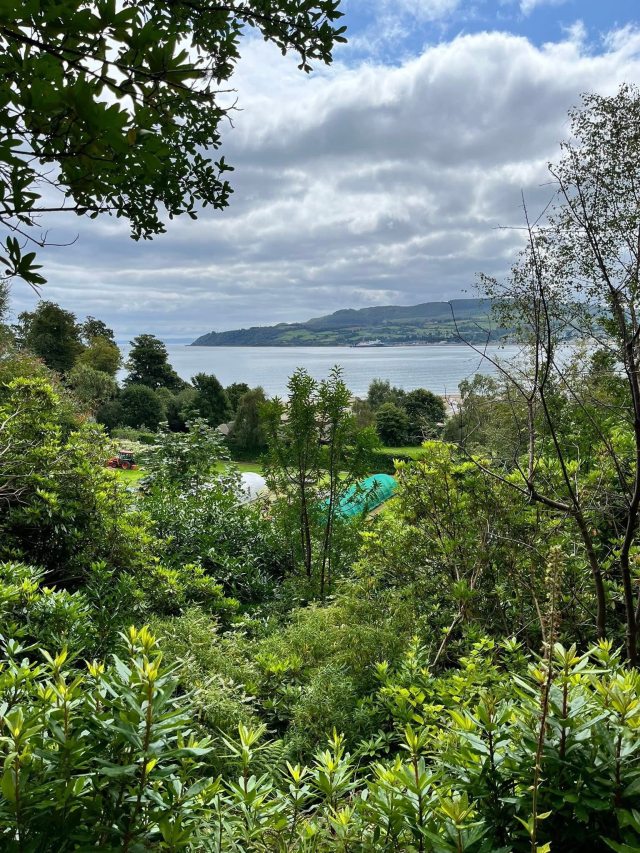
There’s just something about Arran that sticks with you. Watching the sun go down over the Kilbrannan Sound, the quiet of the evening sky, and the laid-back island vibe. It’s like stepping into another world, but one that makes you feel right at home. This summer, Arran wasn’t just a place I worked; it became a part of me.

As I packed up my stuff, I felt caught in that bittersweet place of wanting to go home, but having to leave the new home I’d found. The job may be over, but the landscape still lingers in my mind, the sunsets and the stars, well, they’ll always remind me of the nights I never wanted to end.

The job

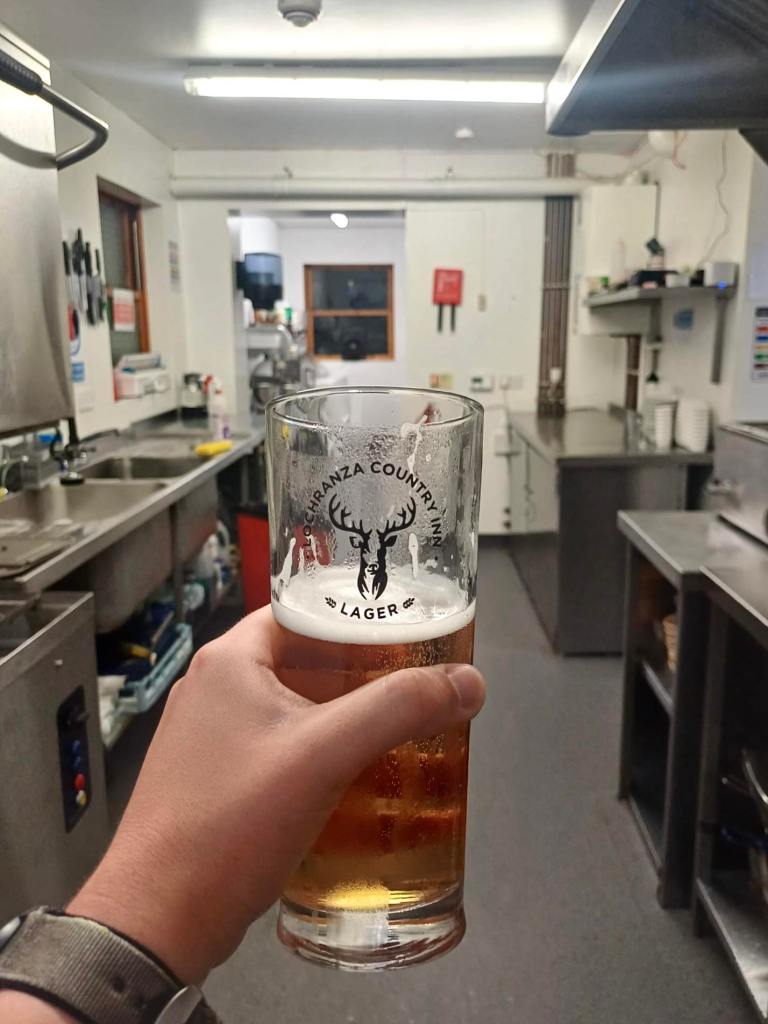
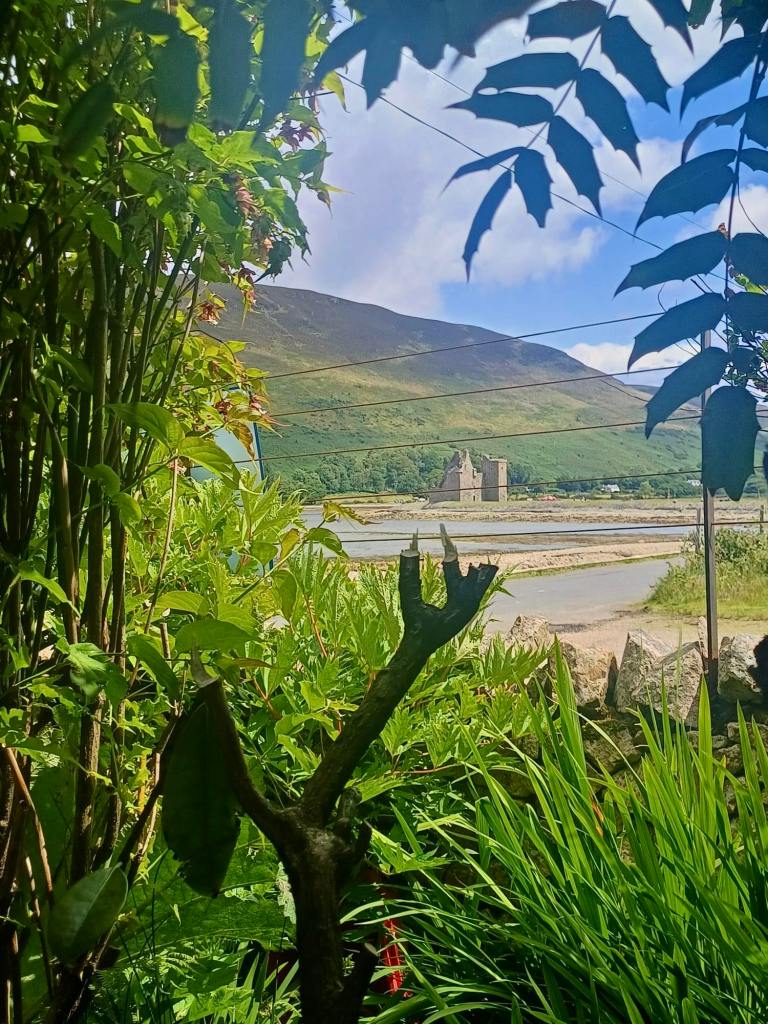
They don’t call Arran “Scotland in miniature” for nothing. I was based in the island’s rugged north, known for its dramatic mountain ranges, granite peaks, sweeping moorlands, and winding glens. My home and workplace was the community-run Lochranza Country Inn Ltd, where I lived and worked as kitchen porter, front-of-house in the bar and restaurant and a bit of garden maintenance. It was apron on and straight into the hustle from the moment I arrived.

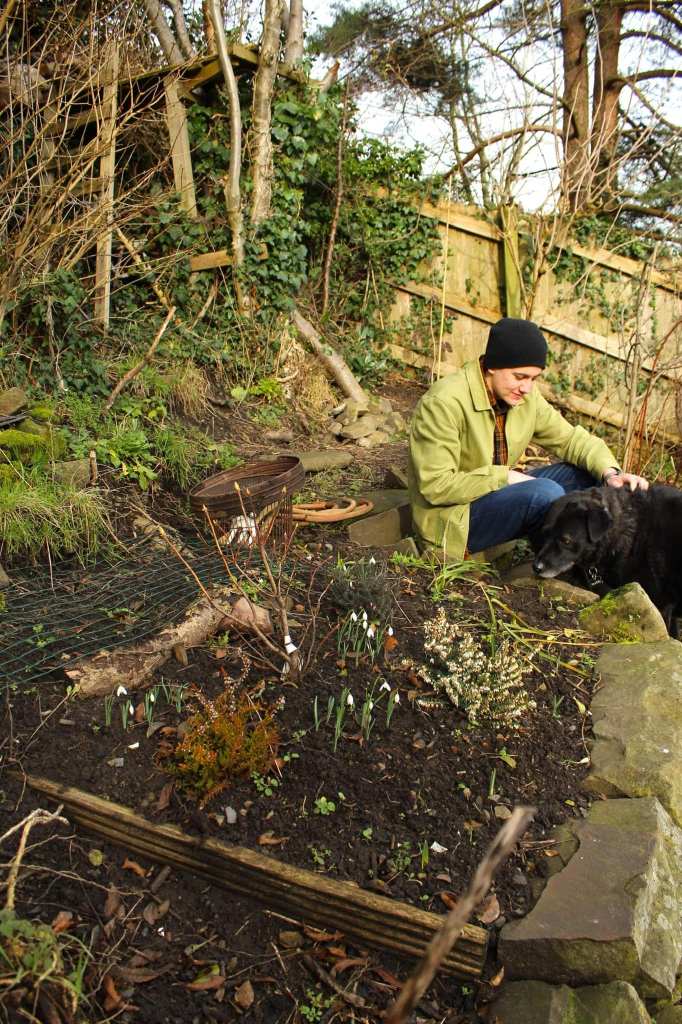
Part of my role at the hotel involved tending to the beer garden. One week, while trimming back the rhododendrons, I had an unexpected encounter – a tick attached itself to my thigh. Apparently, that’s a fairly common hazard on Arran! Thankfully, my manager managed to remove it without any drama. The rest of the job was a bit more straightforward – just me, a hammer, and a pile of slate, which I smashed up to create a neat garden border, even finding some Pyrite crystals embedded in the stone.

Having never worked in hospitality before, I can honestly say it’s absolutely crackers. Full-on stress, non-stop shifts, and moments where you just want to scream. But having such a brilliant team around me has made all the difference. I genuinely couldn’t have got through it without them

The Hikes

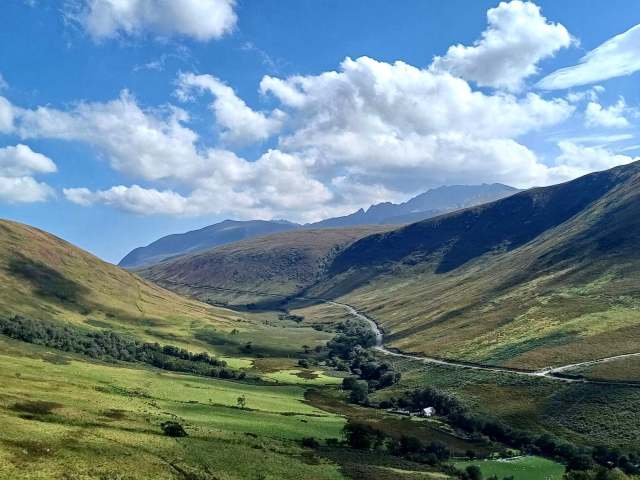
Between shifts, I had the chance to explore my incredible surroundings and let me tell you, my ‘backyard’ was something truly special. I’d step outside, pick a direction, and within minutes (or a short bus ride) be on a trail that looked like it belonged on a postcard; every walk was literally a little slice of Arran magic.

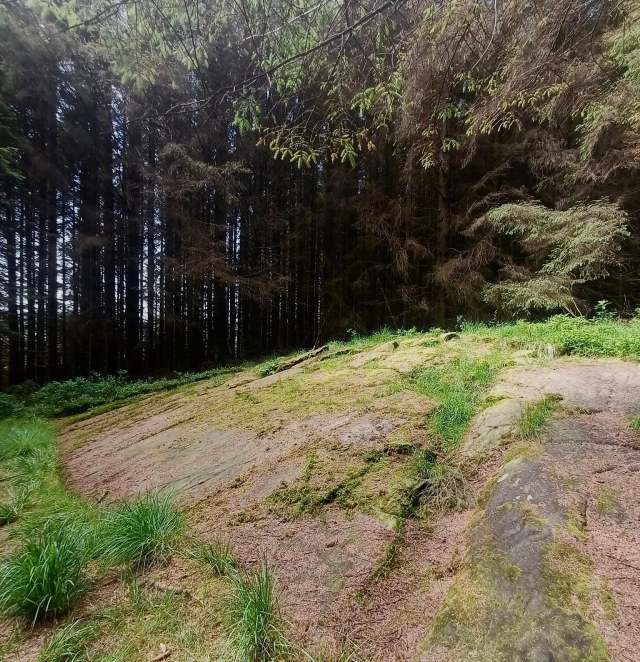
  • A quick trip to Stronach Woods to have a wee look at the cup and ring prehistoric art found on a slab of rock there, such a peaceful spot, and amazing to think those carvings have been sitting quietly in the forest for thousands of years.
  • The wet, boggy and misty Clauchland Hills Hike – where I spotted absolutely nothing!
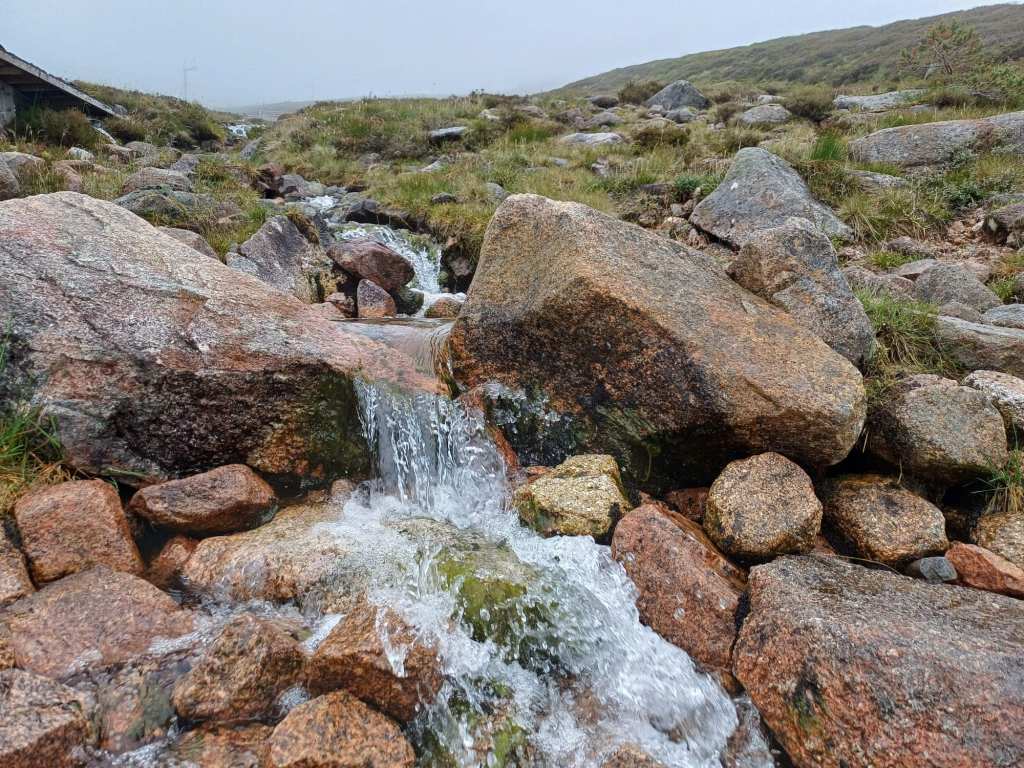
  • An epic 9.5 mile boggy, slog up Gleann Easan Biorach, (Glen of the Sharp Waterfalls), walking from sea-level, to Loch na Davie, (source of water for the Arran Distillery), was proper worth it. Stunning views of the Glens, before crossing into Gleann Diomhan, where I found a beaut of a pool for a surprisingly warm swim, odd, but lovely.
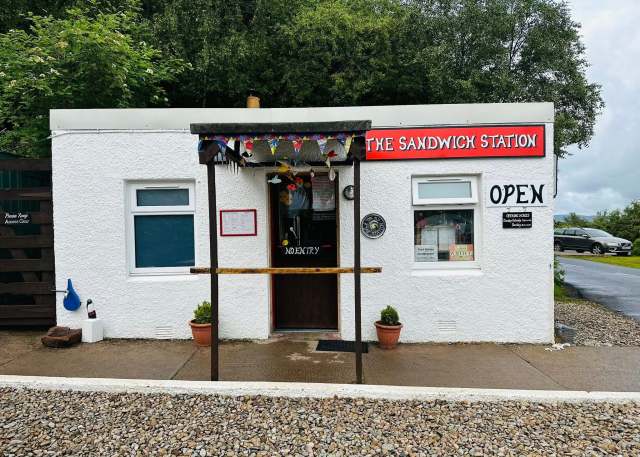
  • Fuelled by the ‘sandwich of dreams’ from Lochranza’s famous Sandwich Station, I hiked along the coastal path from Sannox, back to Lochranza. Even though the weather was absolutely horrendous, I was rewarded with a pod of porpoise, the fossilised footprint of a giant millipede and the site where James Hutton changed geological thinking forever.
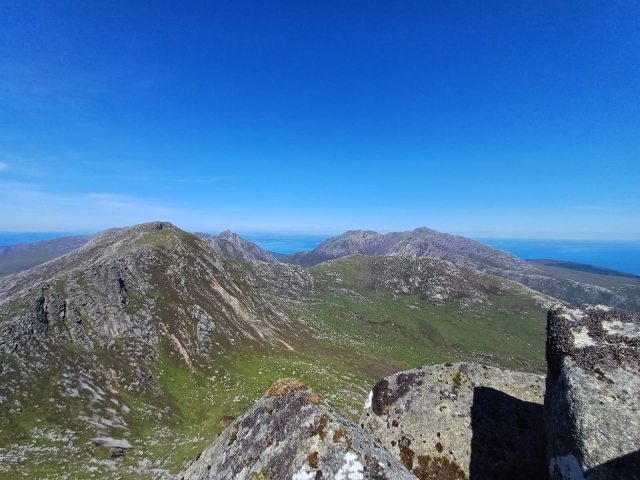
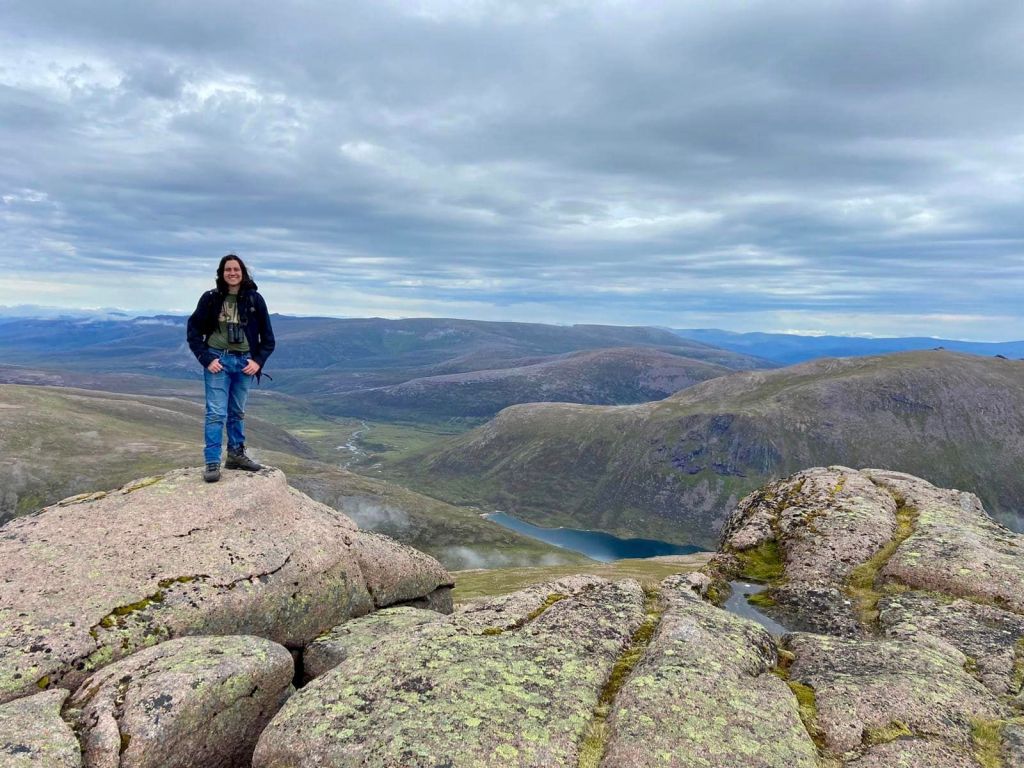
  • Had myself a cracking hike up Beinn Nuis on another day off. Started off my journey by heading up Glen Rosa, before turning and going up Garbh Allt Burn, batting off horseflies all the way. Before a once in a lifetime encounter with a Golden Eagle gently flying over the hills and valleys around me. I then carried on up the steep descent to Beinn Nuish, clambering over big granite boulders, before reaching the summit with stunning views over the mountains of Arran, all the way to Ailsa Craig in the south and as far as Northern Ireland, the Paps of Jura and even the mountains of Mull in the distance. Headed down and found the wreckage of a plane, which I believe was a Liberator from WW2.
  • Glen Rosa became a firm favourite. I led my family up the sweeping glen more than once, and plunged into the wild, icy waters of the Blue Pools for an unforgettable swim.
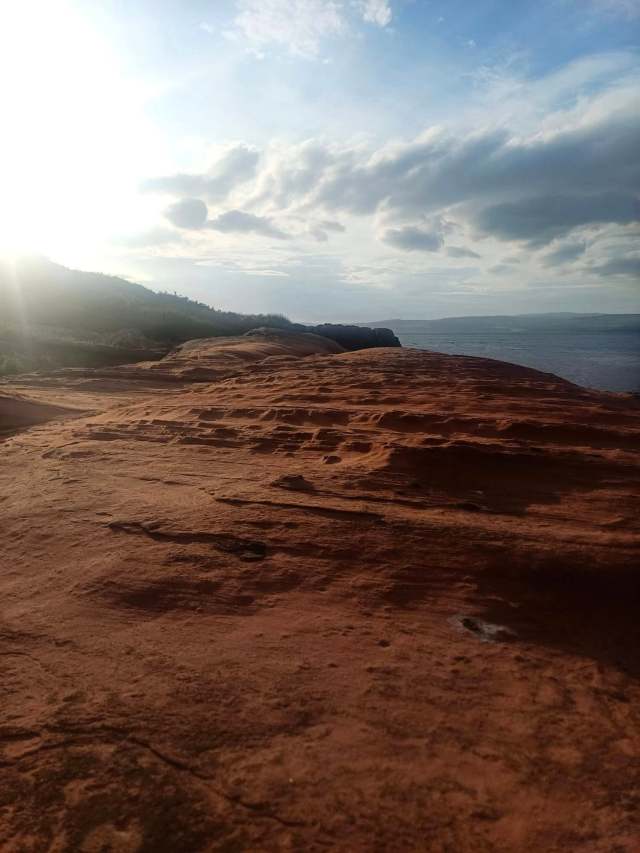
  • Right from my doorstep there’s the coastal path towards the Cock of Arran and Narachan; sandstone & fossils everywhere, creating nature’s own gallery. Gannets put on a show, dive-bombing the sea like pros. It’s a wild and rugged coast, a proper beauty.
  • And no stay on Arran is complete without a hike up Goatfell. I took a route starting from Corrie, heading up Coire Lan, with a scramble to the summit of Goatfell. I then headed along Stacach, before pulling up to the summit of Goatfell for what must be some of the best views in Scotland.

For routes and more information about any of the above hikes, just drop us a message and I’d be happy to give you details.

The Flora & Fauna

Up in the air or down on the ground, Arran’s plants and wildlife are just phenomenal; there’s always something cool to spot, whether it’s an eagle overhead or a cheeky red squirrel in the woods. And if there’s one plant that really makes itself known, it’s the heather – everywhere you turn, it’s right there in your face, painting the hills purple and buzzing with life!

My mate Matt from Hampshire Carnivorous Plants challenged me to track down the native sundews – Drosera rotundifolia and Drosera anglica. Spotted them on a few hikes, looking all sparkly with dew, just chilling and waiting for some unlucky insect to wander by.

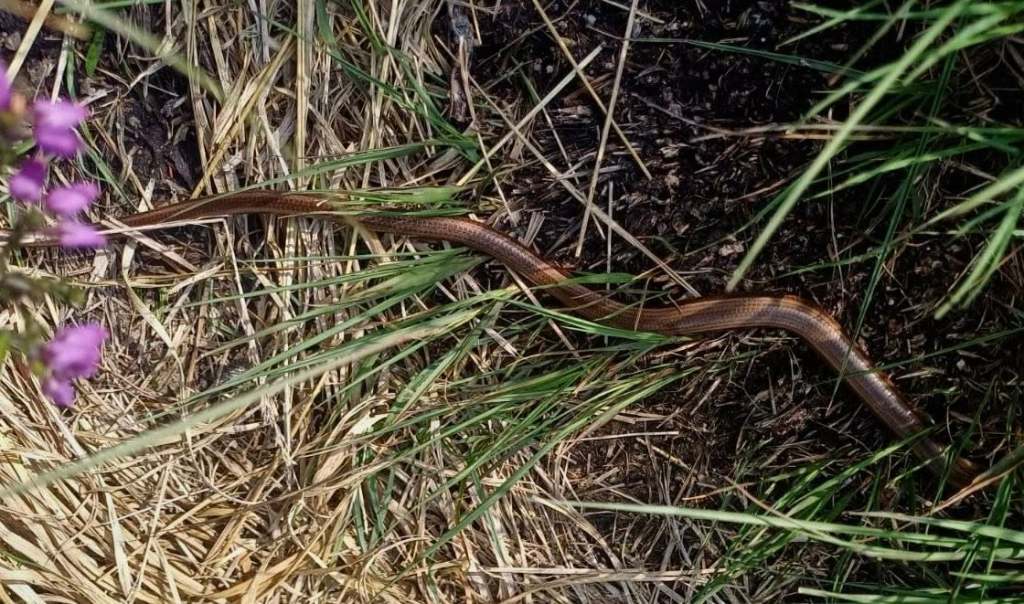
Lizards were chilling on the sun-warmed rocks, soaking up the rays and I even spotted a couple of slowworms, the first I’ve seen in ages. Above, I’ve been lucky enough to spot hen harriers gliding low over the moorland, their wings slicing silently through the air.

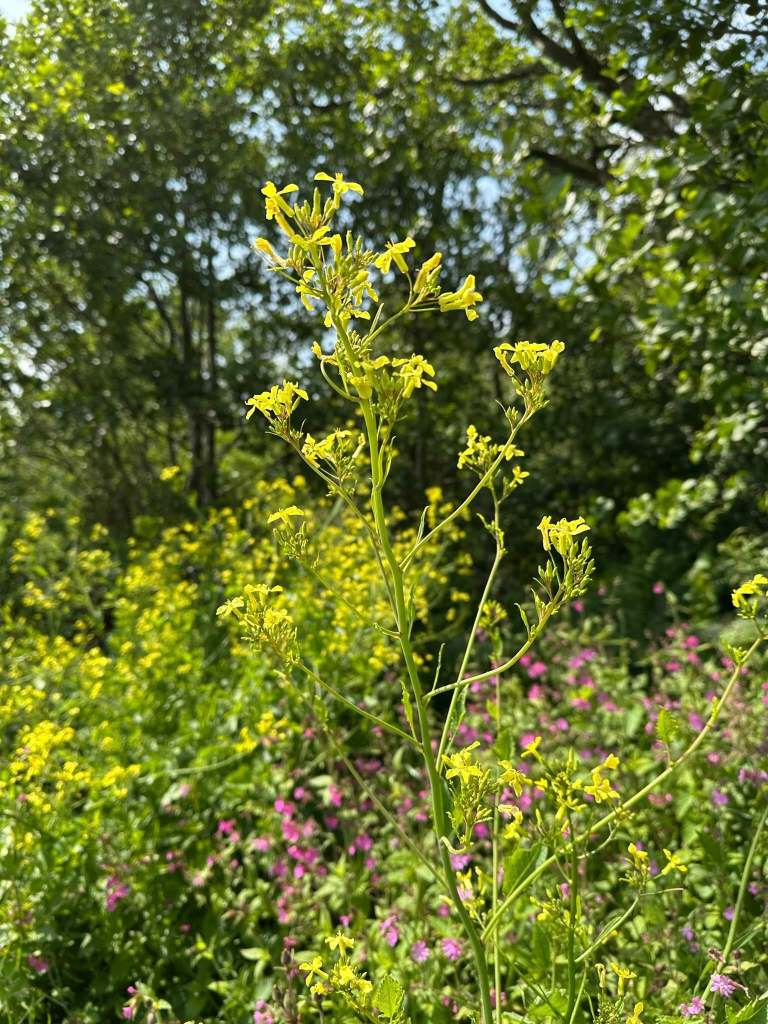
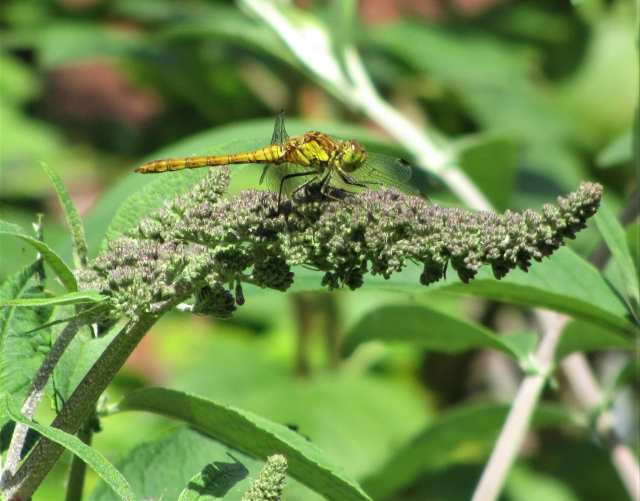
The hedgerows on Arran are buzzing with life. As spring rolled into summer, wild radish popped up with pale flowers swaying beside brambles and nettles. I even found my first Arran Whitebeam – one of the rarest trees (by number) in the world! Up on Goatfell, Alpine Alchemilla was doing its thing, and golden-ringed dragonflies zipped past rivers & lochs, their black and yellow bodies flashing in the sun. In the trees, red squirrels were darting about; they are so agile, cheeky, and dare I use the cute word?

At night, the sharp sound of deer barking cuts through the silence along with the splashes of fish that sound like whales breaching metres from shore, making you jump out of your skin, your heart pounds, reminding you that this place is alive in ways you can’t always see! Herons join the evening choir at Lochranza, their guttural croaks and harsh squawks slice through the night air. One heron will kick off and others answer with clattering calls, like Pterodactyls sailing in the wind. The noise is really unsettling, primal, like the cries of creatures from prehistoric times.

Bog myrtle – my latest botanical crush – it’s literally everywhere! I first stumbled across it in abundance at Glen Sannox, one of my favourite glens. Nestled among the heather and bracken, it gives off this sharp, pokey scent – apparently known for its powers as a natural midge repellent. Not that I’m convinced anything truly stands a chance against the ferocious Scottish midge…!

But it’s all about the eagles for me and on one hike as I reached the edge of the moorland, I was greeted by a breathtaking sight: a pair of golden eagles soaring and weaving gracefully above me, framed perfectly by the rugged peaks of Goatfell. Just as I was taking it all in, one of the eagles suddenly veered closer, so close I could hardly breathe. It glided past with effortless power, skimming the moorland like a harrier. It was, without doubt, one of the most extraordinary views I’ve ever had of a golden eagle.

And just a few days before I left I was treated to the perfect way to wrap up one of my final shifts. I’d cracked open a beer and perched on a rock overlooking the sea near the ferry port. The night was crystal clear, below, bioluminescent plankton shimmered in the water, while above, the Milky Way stretched across the sky in full glory. It was pure magic. One of those moments you will NEVER forget.

The Places

Took the bus over to Brodick before one of my shifts kicked off and squeezed in a cheeky wander through Brodick Castle Gardens and wow, what a treat. The place is absolutely bursting with colour and character. From exotic blooms to delicate little treasures tucked into every corner, it’s a proper feast for the eyes. The real showstopper though? The Pride of Madeira – tall, dramatic spikes of vivid purple flowers that looked like they were putting on a performance just for me. The gardens themselves are beautifully laid out, with winding paths, hidden viewpoints, and that perfect mix of wild and manicured. Honestly, it’s a cracker of a garden.

I went to the Library in the Woods over at Eas Mòr with my parents, where the memories and stories of those who trod on the same paths as we did, hung from the very ceiling and walls of this ‘Cabin in the Woods’. Outpourings of love, creativity and personal messages were enough to make anyone feel moved.

The footprint of a great extinct beast over at Kildonan Shore, apparently made by a giant reptile related to early crocodiles, lay like a hand print in the rock on this beach. Putting my palm down to this striking example of animals gone by, it shows how Arran’s geology tells a tale of time as well as words in a book.

And here’s some other little pockets of Arran magic – The Sandwich Station, The Little Rock, Mara, Corrie Inn, Arran Distillery, Arran Botanical Drinks, the Wineport and my favourite rock hanging over the water in Lochranza.

The People

Working on Arran has been nothing short of amazing. From the moment I arrived, I was surrounded by spectacular wildlife, stunning landscapes, and experiences that will stay with me forever. But as breathtaking as the island is, it’s the people who made it unforgettable. The friendships I’ve made here, the laughs we’ve had, having each other’s back, that’s what truly made this chapter special. I’ve felt part of something bigger, part of a team, that showed up, that made every day mint. Arran gave me memories I’ll never forget, but it’s the people who became part of my story.

Laterz Arran!

Posted in Nature, Wildlife | Tagged , , , , , , , , , , , , , | Leave a comment

Gabions and their value to wildlife

My university studies have started to shape and influence my passion for garden design, particularly in terms of sustainability. Today I find myself writing something a little different for me, something I only recently took an interest in myself, gabions.

Firstly, gabions are one of those things that upon realising their importance for erosion control, stabilisation, and flood protection, you start to see them everywhere, on motorways, by the coast, car parks and supporting buildings.

However, more recently they have been used in gardens to add structure and as a visual feature. But did you know they can add value to wildlife in your garden? Which is what I’m particularly interested in and how by utilising them, you can encourage even more wildlife into your garden.

Read more: Gabions and their value to wildlife

“Firstly, what are gabions?”

Gabions are large metal cages/containers/baskets with rocks, boulders and other materials in them, you’ve probably seen them on the sides of roads holding embankments together or providing structure and support in built up areas.

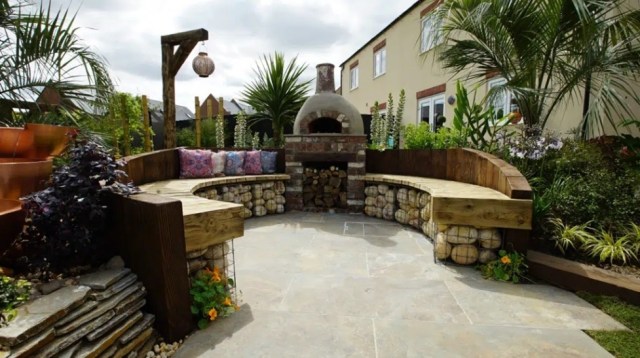
An example of a gabion being used as a bench on ITV’s Love Your Garden

Here though, these gabions have been used (on an episode of ITV’s Love Your Garden) to not only add support to the curved, wooden beams for people to sit on, but also to add visual interest with those large boulders beneath drawing the eye to the central area. What a cracking outdoor space that is for cooking and chilling, I could see myself sat there on a warm night with a beer!

Check out this cooking space, I love the food prep worktop sat on top of the wire cages, creating the top tier of outdoor kitchens!

“Why should you choose gabions?”

Firstly, they are exceptionally versatile, and you can be incredibly creative with them, due to the variability of the cage dimensions and the materials you can put inside them. It does not simply have to be a metal basket with stone inside, they can be made into walls, benches and even planters.

As well as this they are far more durable than brick and mortar walls, capable of lasting up to 100 years. Whereas cement can break down over time, due to rain and cold, then needing to be re-pointed, gabions require little upkeep & maintenance due to them being composed of boulders and metal, making them a cost-effective option too.

Arguably, their greatest asset is their sustainability, studies have shown that they have an 80% lower carbon footprint than concrete. Steel that is used for the wire baskets is completely recycled, with steel being the most recycled material used today. The stones used inside them, usually locally sourced, will of course return to the earth once used, I mean where else would they go! Gabions also allow water to move through them, due to the gaps and spaces between rocks acting as a natural filter, capturing pollutants and debris. This in turn improves water quality, which again benefits wildlife, allowing plants to grow and species to move through.

“How can gabions help wildlife?”

Being a wildlife gardener, I’m particularly interested in how hard landscaping can be beneficial. Gabions provide great micro-habitats for wildlife due to the spaces between the stones inside providing lots of little nooks for small plants to grow & creatures to shelter. In the images below you can see where a Labyrinth Spider has formed its conical web between stones in this gabion. They are literally a ‘living wall’.

With a few adjustments they can be constructed with wildlife in mind, for instance by adding thin pipes you can provide a habitat for solitary bees, in that sense they’re kind of like a large bug hotel. In our garden we’ve added numerous small pipes to various structures, most of which are now home to Leaf Cutter Bees which lay their eggs inside the tubes and block them with chewed up leaves. As well as this, by installing a tunnel from one side to the other, hedgehogs, rodents & amphibians will have a ‘highway’ to travel through.

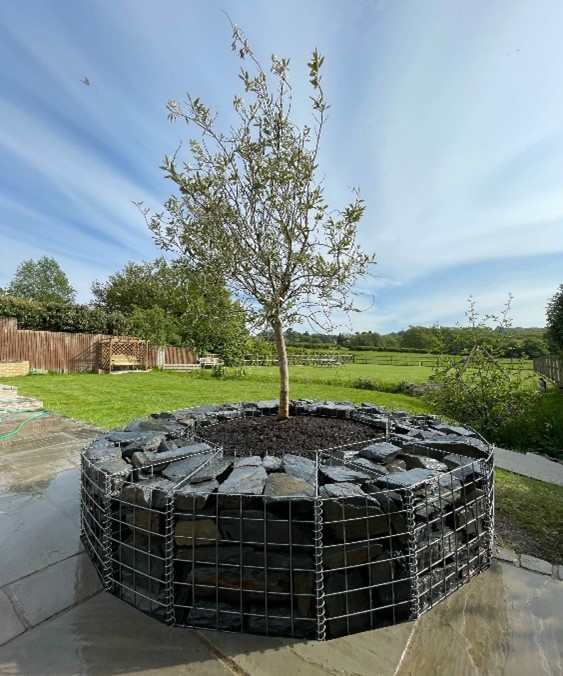
Another way you can easily use gabions to encourage wildlife into your garden is to use them as a planter (as seen above). In this next example we can see gabions containing slate, acting as a container for this willow tree. Just like with a planter made of wood or bricks you can make a raised bed using gabions which you can then fill with super wildlife friendly plants such as Salvia, Aubretia, Michaelmas Daisyand Verbena (all these are suitable for well-drained soil in a sunny spot). Information for purchasing a gabion planter can be found in this link.

And if you’re feeling super creative you could use gabions to create a water feature or a small raised wildlife pond, by lining it with a water tight container/liner, and filling it with small pond plants such as Marsh Marigold and Water Forget-me-not. (Just make sure to create a slope running up the gabion using logs and stones so creatures can get in and out!).

“What other plants could I use in a gabion?”

One group of plant you could easily utilise inside gabions would be climbers. Ivy is an incredibly hardy, fast growing, native climber that is fantastic for wildlife which can easily grow around the metal mesh of the containers providing flowers and berries for Autumn into the Winter. Another wildlife friendly climber is Climbing Honeysuckle, this should be planted in the ground on the shady side of a gabion allowing its stems to climb up the mesh towards sunlight. It produces beautifully scented flowers in the Summer which are perfect for moths. As well as these Sempervivum would be a brilliant ornamental addition to a wall gabion due to its hardy, drought resistant nature and roseate of leaves. Other drought resistant alpines can also be planted between stones, with a little soil such as Sedum & Armeria.

For me, it seems gabions really are an untapped resource for adding necessary structure to your garden and a wildlife friendly haven in a small space. Both durability of gabions and their creative flexibility is really underappreciated. To find out more about the numerous different types of gabions and the different sizes and dimensions you can purchase, please follow the link to Wire Fence.

Thank you for reading!

Posted in Environment, Gardening, Nature, Wildlife | Tagged , , , , , , , , , | 6 Comments

‘Are you still gardening George?’

As I return to Uni, I can categorically say I’ve been living the ‘Uni life’, partying hard and getting up late, so a question I get asked a lot is, ‘are you still gardening George?’, the answer, yes, I am.

However, as I’m spending more time up in Scotland, I’ve not managed to work in the garden back home, but for over a year now, I’ve been getting stuck into Uni’s community garden.

Read more: ‘Are you still gardening George?’

The Garden

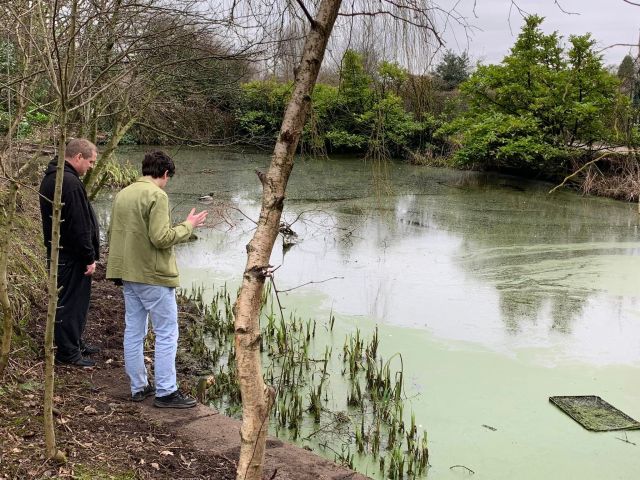
Once part of the Airthrey Estate built in late 1700’s, it’s quite a big space and whilst I’ve never seen official documentation, it feels like it formed part of a walled garden. Most of the area is taken over by the landscape and grounds maintenance dept for the University of Stirling Campus. But they’ve given us a section, the edges are a bit wilder, ‘cos we’ve not got to them yet. There’s quite a few beds, not raised beds, just where we grow things. There’s trees, fruit brushes, a small pond, greenhouse, polytunnel and lots of paths, which we’re trying to widen, flatten and generally make more accessible.


The setting of the garden and surrounding area is stunning. There’s Hermitage Woods in the hills above, a really lovely deciduous forest full of old ruins. Above that you’ve got the big basalt hills of Dumyat, with all the pale grey crags dominating the landscape. Across, you’ve got the ruins of an old church, kept as a folly. Looking back towards Stirling, you’ve got the Wallace Monument silhouetted against the sky, with the Airthrey Loch beneath you. Whilst you’re digging away, you stand up and sometimes catch your breath as you gaze out on such a beautiful landscape, honest it’s like a mini-Scotland.


Sessions are weekly, but as it’s an open garden you can literally go when you want, you can just grab the shed key and read a book, do a bit of weeding, a bit of digging. It’s for everybody, you might message the Group Chat (What’s App) and say, ‘I’m going up in an hour, anyone fancy joining me?’ and being student-led you can enjoy the freedom and appreciate the fact that it brings people together. Like the time on a really sunny day last year, I was a bit worse for wear after a heavy night and undecided about what to do. I went over to the garden, I didn’t really have a plan, so had a mooch about, found some wooden boards we were using for the raised beds, so I straightened them up, put ‘em back and it was just 2 hours in the sun and I felt a whole lot better.


Gabi is the sustainability lead for the Student Union, he runs the green activities on campus, which includes the community garden. He’s a fantastic motivator, has a great attitude to everything, he sorts stuff out, including the boring (but essential) paperwork, he’s just a really decent bloke as well. And he’s just asked me to be a Garden Lead, which will see me plan & run my own sessions on the garden, which is cool.

Students, gardening, that’s not very rock & roll???

Well, it’s a good hangover cure, I’ll say that! It motivates you to get you out of bed, that sense of freedom from exams and stress and it’s deffo a way to decompress, have a laugh, make mates that you’re not necessarily partying with. It offers a place to socialise in a healthy environment. I’d say, it’s the one thing that’s given me the most pleasure at uni. And the people I’ve met through gardening, we have this shared interest in the garden, it brings us together.

The positives

It’s a student garden, on a Uni campus, led by students and a lot of Uni life is about being sat on a laptop, reading a book, looking at a scientific document, whatever, the garden allows you to get involved in a physical activity, which gives your brain a bit of a rest. You can still discuss things, that you may have read in an article for example, but you’re not blowing your brain up in the library trying to focus! It’s great for your physical health too, as you’re using every muscle in your body, walking round, lifting things, bending down, carrying stuff, but in a fun, relaxing way.


The garden provides a connection to where our food comes from; being a student, it’s really important for food sustainability and if we’ve got too much of a crop we leave it in the community fridge. It’s also important as a connection to nature – if you’re having a good time in nature, you’re more likely to protect it. There’s educational benefits too, even if it’s not necessarily connected to what you’re studying, you can still learn something relevant.

What we’ve been doing

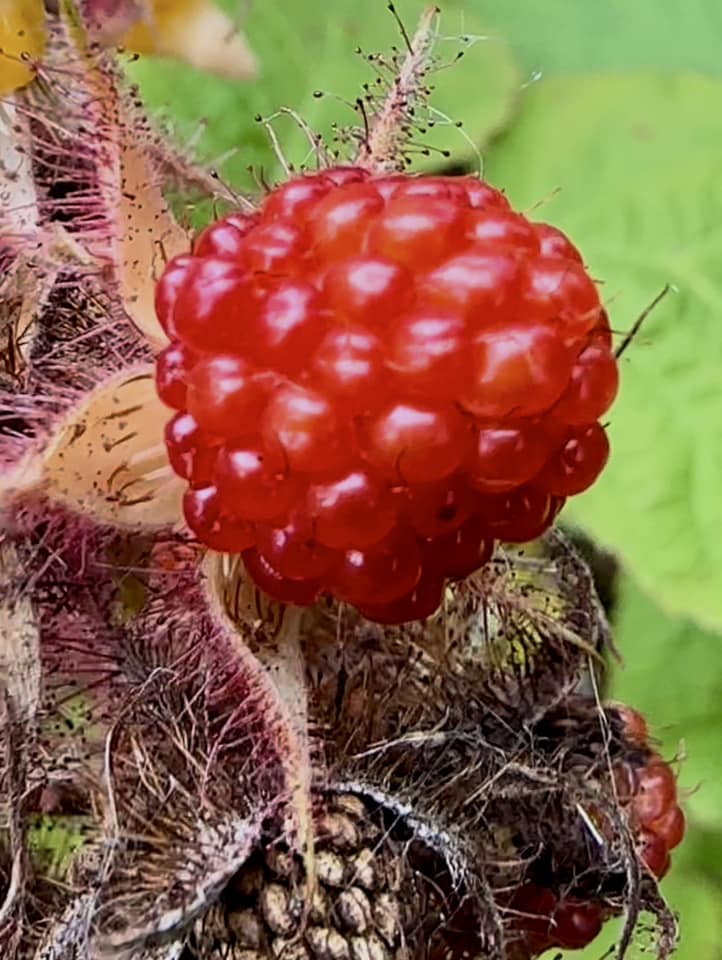
Planting a wildflower verge at the back of the garden, cleaned the pond and found little pea clams, widened paths, planted onions, garlic, potatoes, turned over the compost, general weeding and we’ve put down donated sheep wool on the beds to insulate the soil. One of the loveliest things at each session is someone always picks something to eat and share, such as the golden raspberries, which is always a great treat.

There’s one-off activities too

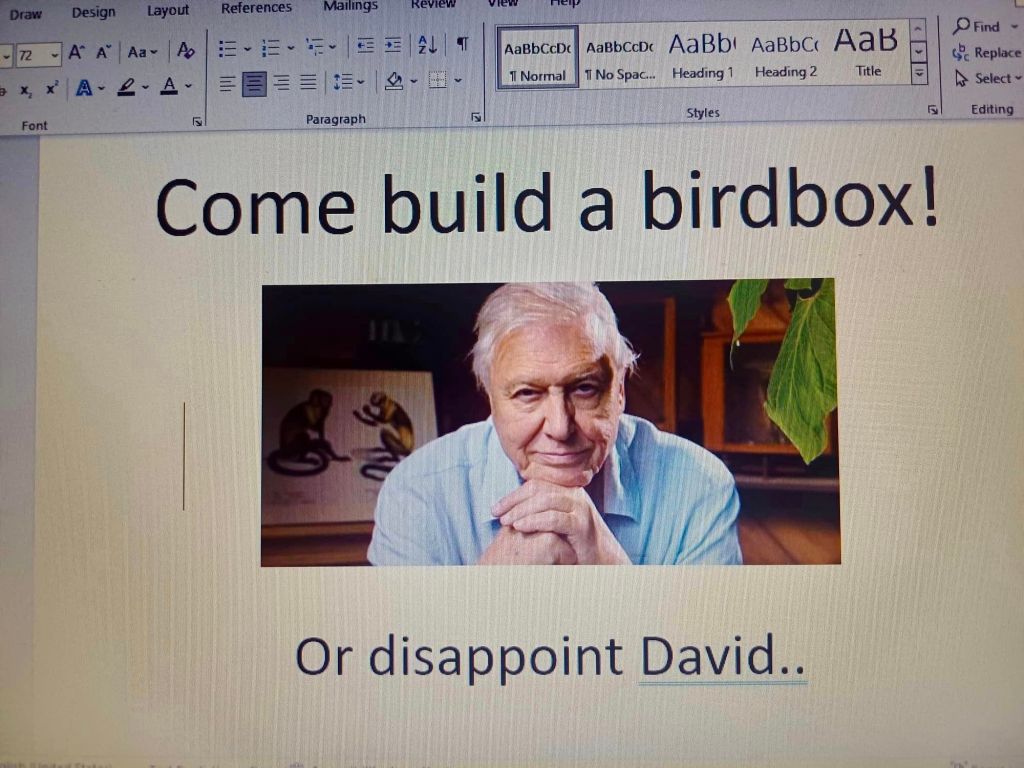
An apple picking & pressing session on the site of the old community garden, before this one was created, there’s a little orchard there now and we picked a fair few wheelbarrows full and made it into apple juice. We did a bird box building session on there, which was really well attended, maybe even too well attended!! One of the nicest things was a potluck session, where everyone bought a dish to share, I made a tabbouleh with freekeh and wild garlic and we sat in the garden and ate that, it was like the lunch of dreams.

Problems

There’s this grass, Pendulous Sedge that just grows massive and is everywhere in the garden, it must have been introduced at some point, that’s a bit of a pain, just because it’s hard to dig out and it spreads very quickly. We don’t have access to water, apart from water butts, so things like topping up the pond is a bit of an issue, and we don’t have a hose either, so watering plants in general can take a long time too. Access to materials, there’s not much money around, but we’re students and have to be resourceful; but we do get the odd donation – pallets, wood chippings, that kind of thing. The grounds dept are really generous too and let us have access to their compost heap.


Of course, time is always an issue. We do all this work in the tougher months and then when we should be enjoying ‘the fruits of our labour’ in the summer, lots of people have gone home and then there’s not a lot of people there to look after the garden either.

I’m a lucky man

Lots of people comment on my socials about how lucky I am to have this facility, whilst studying at Uni and I agree we are very fortunate to have it. I strongly believe a community garden/outdoor space should be in every school, college and university; one that is led by the students, bringing like-minded people together, people who want to have that space, it’s really important.


The biggest benefit I get from the garden is something that grounds me to the outdoor world, I can sit comfortably and socialise and see the changing of the seasons. I can see what I study in the plant life, in the invertebrate around me, so whilst my studies take me to researching volcanoes, tsunamis and deforestation, the garden brings me back to earth more than anything.

Posted in Environment, Gardening, Local Food, Nature, RHS Ambassador, RHS Campaign for School Gardening | Tagged , , , , , , , , , , | 2 Comments

Autumn has come…..

Blink, and just like that I’m back at University after spending the past 4 months back in my hometown of Manchester.

It’s been a great summer, but I have to say, I’m pretty chuffed to be back in Scotland.

Read more: Autumn has come…..

This year at Uni

I’m now in my 2nd year of my environmental sciences degree and subjects include biogeography, field & practical skills, the biosphere and statistical techniques – baffling stuff – especially for my mum – but it does bring out the geek in me. I’ve also signed up to loads of society groups – drama, video production, earth & environment, film appreciation and of course, gardening. I also start this year as President of the Wildlife Conservation Society, I have no idea how to run a society group, but I know a lot about the subject!

I’m not in halls this year, I’ll miss living on campus, but there’s benefits to living in the city centre too.

Boomerang back to the start of summer and RHS Chelsea Flower Show

Back in May, no sooner had I got off the train in Manchester, I was back on it heading down to London for the RHS Chelsea Flower Show and it was I N C R E D I B L E! Started off bumping into RHS ex-boss Sue Biggs, before heading off to look at the show gardens and boy they were good! The amount of bees along Main Avenue just went to show how all the gardens considered sustainability and biodiversity. As well as this the water features on most of the gardens were so eye catching that you had to stand and stare to also take in the intricate planting. It was a treat to be invited on to Ann-Marie Powell’s garden and bump onto Alan Titchmarsh again.

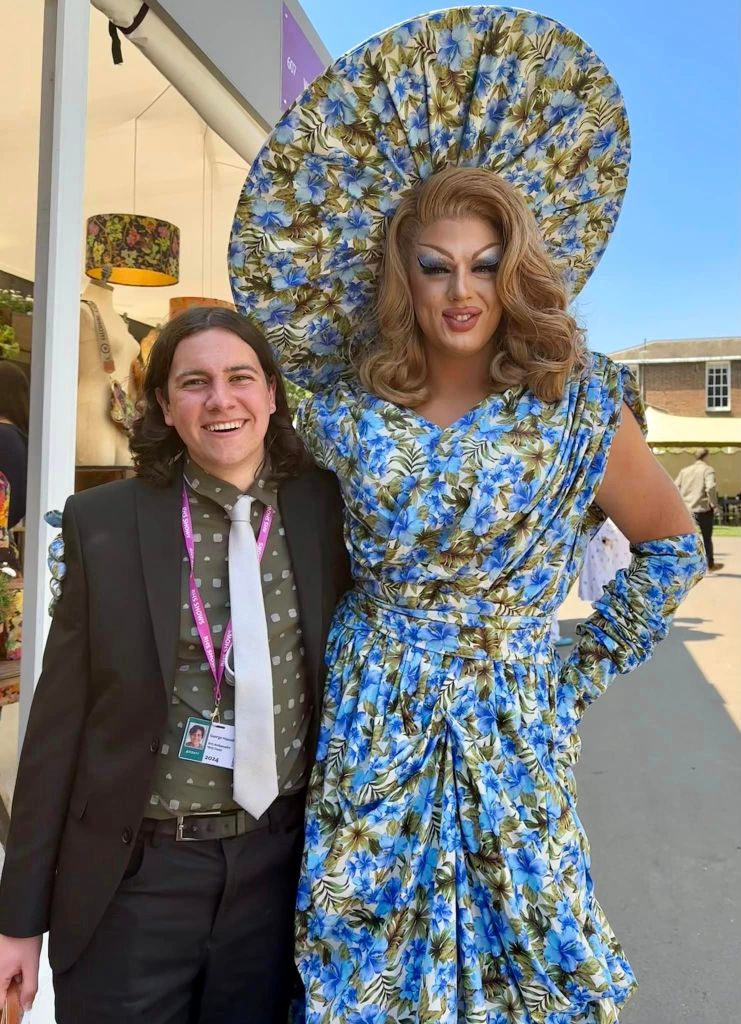
And of course Chelsea is about hooking up with some familiar faces like my RHS buddy, Alana, Adam Frost, Chris Packham, Drag Queen Gardener, Adam White and Matt from Hampshire Carnivorous.

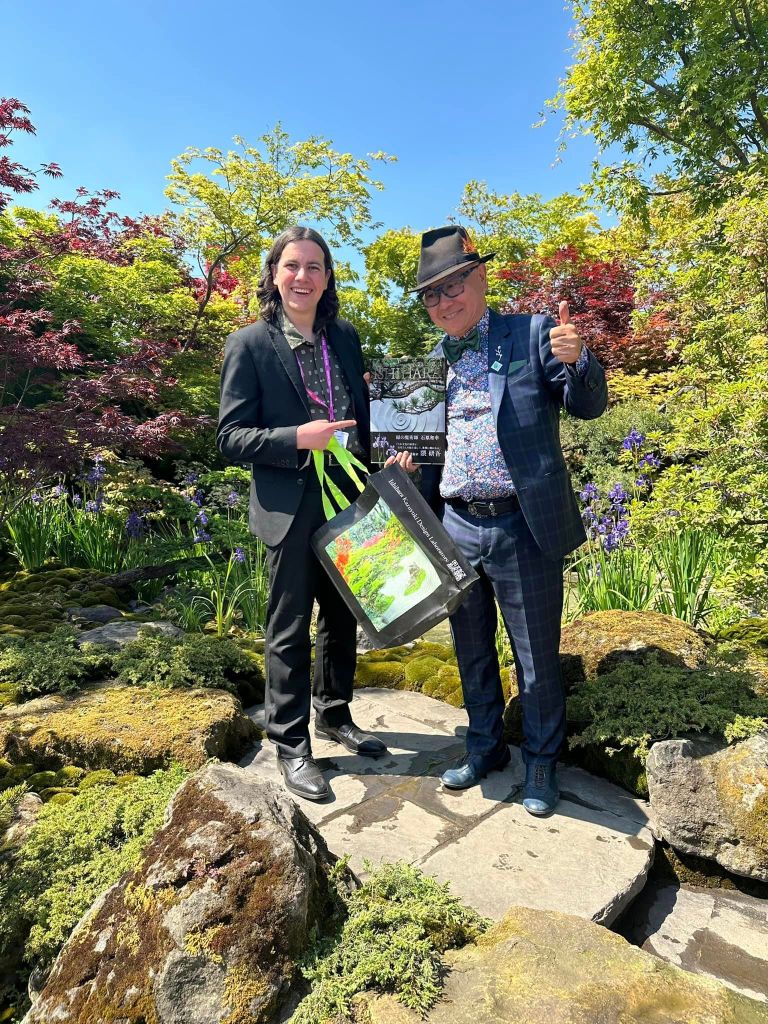
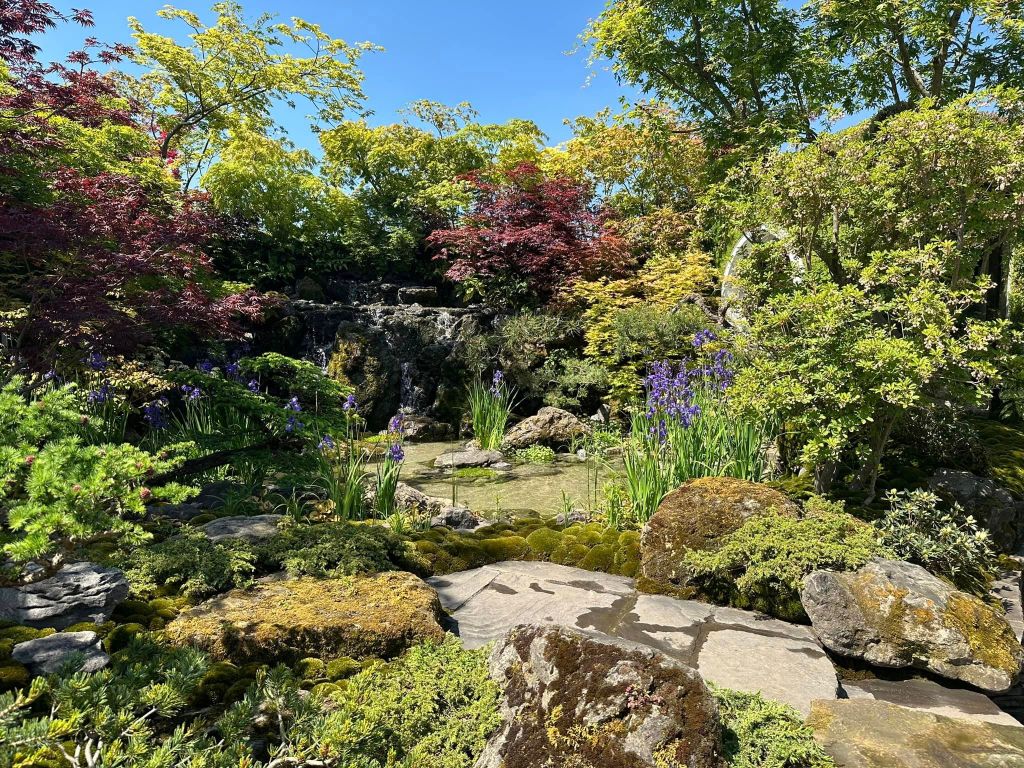
The highlight of the day once again had to be Ishihara Kazuyuki’s Sanctuary Garden, for me it’s literally a slice of heaven! Blending family life & nature, there was the signature acers, moss, irises and calming water, alongside a few quirky surprises!

Our Garden

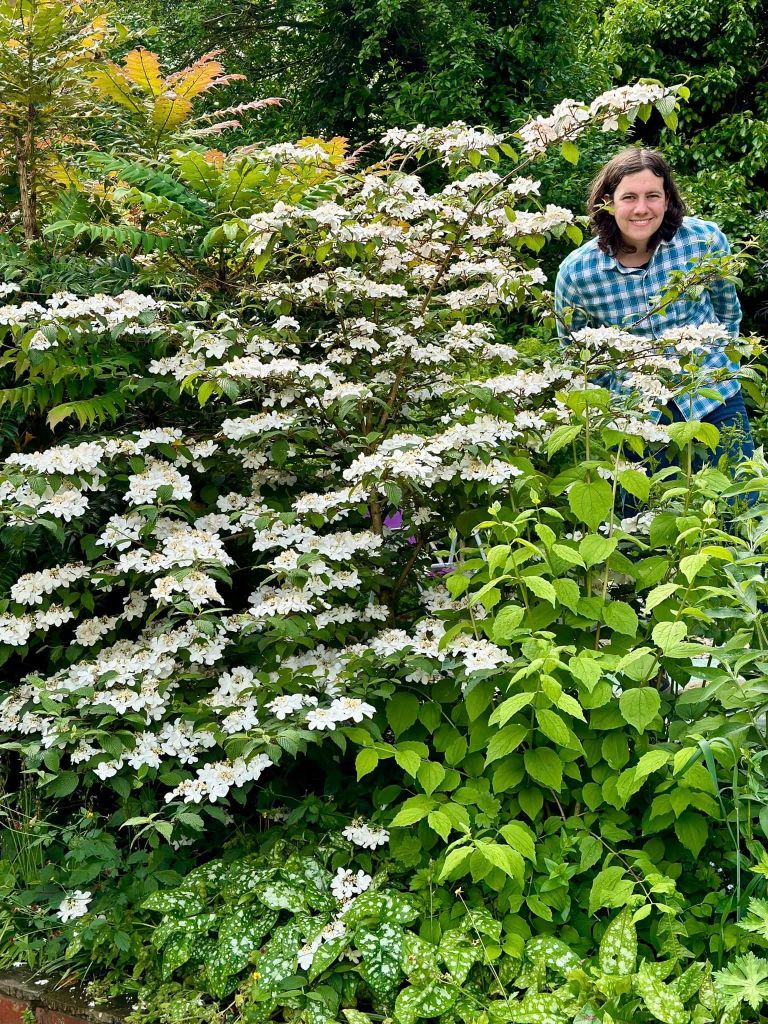
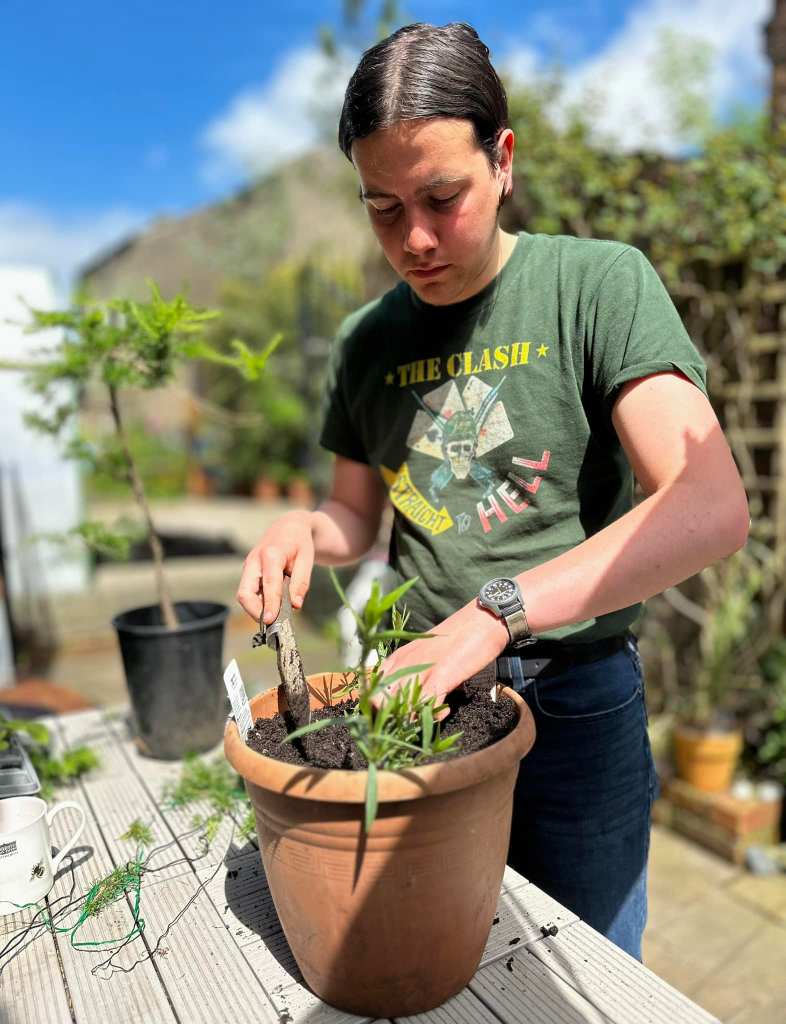
Meanwhile back in our home garden, the Viburnum Kilimanjaro Sunrise was seriously showing off this year! I potted up some French Tarragon, a top tier herb in my opinion. Bunged 2 small plants in a pot, with some hort grit and planted one up in the top garden, kept it in a sunny, but sheltered spot, and soon we were picking the leaves regularly for cooking, it’s proper lush.

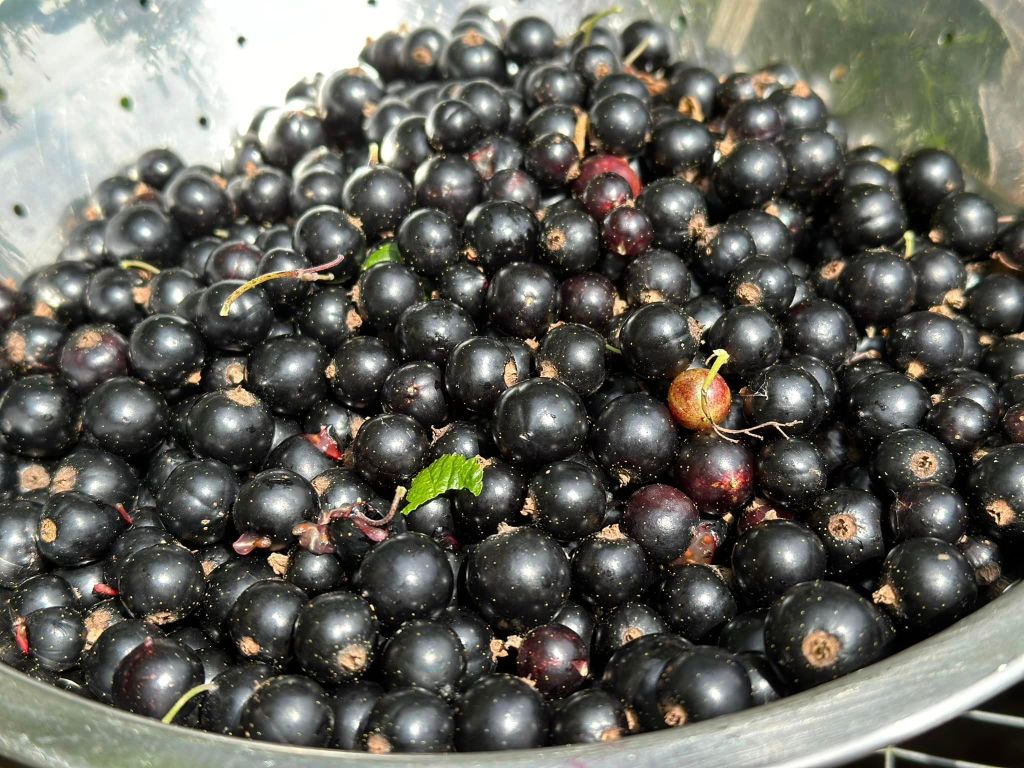
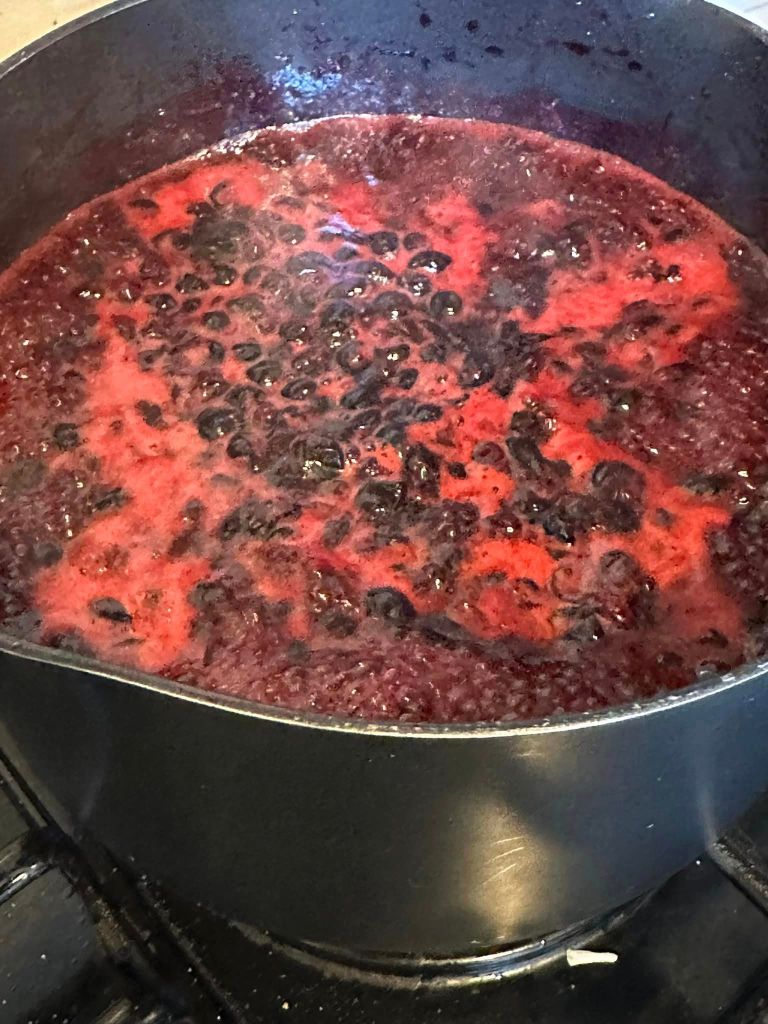
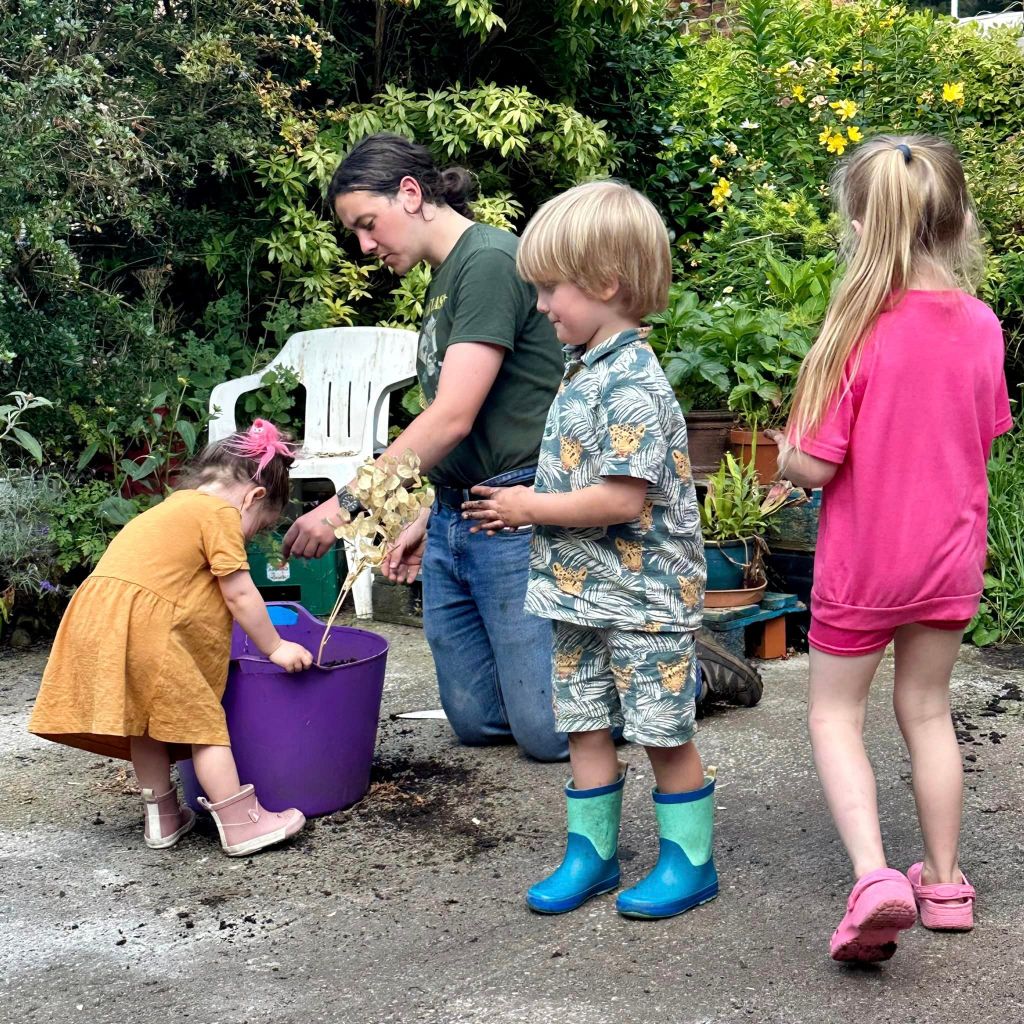
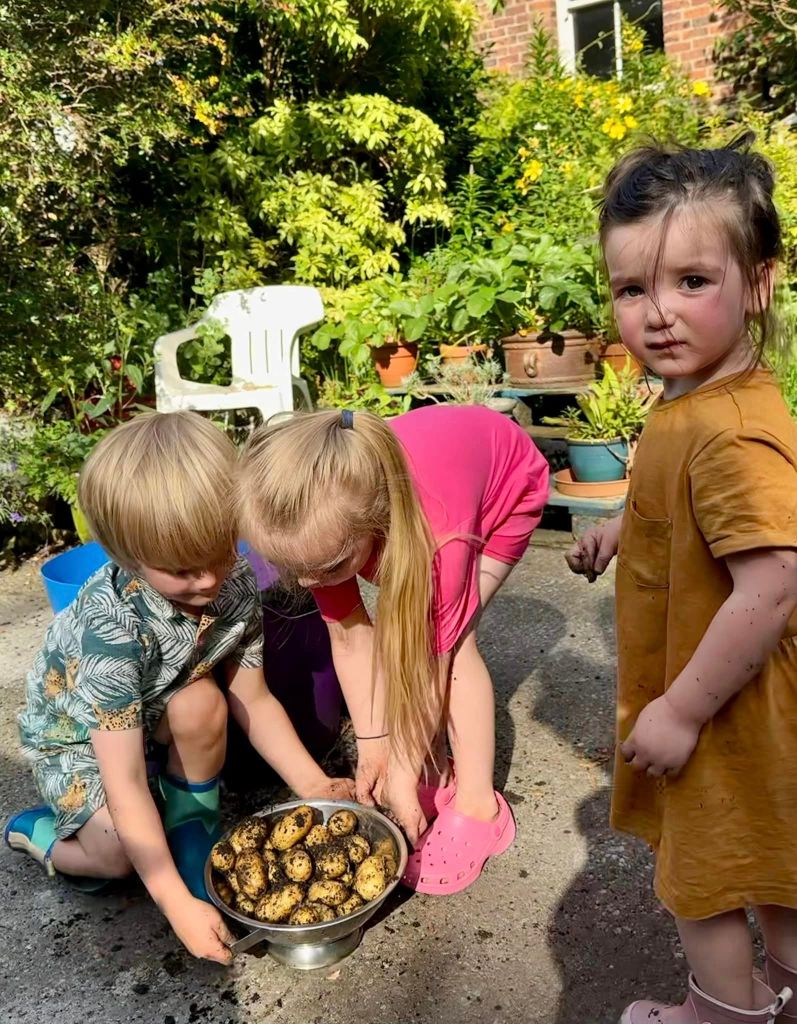
The blackbirds scoffed the majority of our blueberries, kindly leaving us just 5 and lots of purple poo! So before they got their beaks on our blackcurrants, we picked some and made cordial. Utter carnage in the kitchen, but wow the taste, it was WELL FIT! Had some young-helpers dig for ‘tater treasure too!

Garden Wildlife

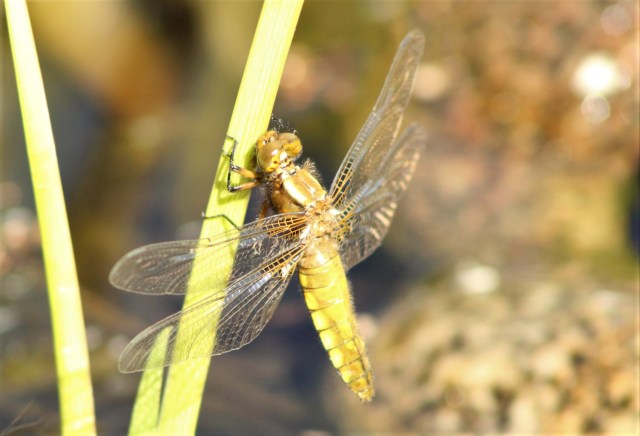
One late evening in June we had some nymph action ! Dad and I were sat in the garden, trying to cool down, when out of the corner of my eye I spotted this beast emerging out of the pond. It hooked itself on to a stem, securing its position, ready for transformation, which we thought would be the next day, but imagine our surprise when we went to check it out in the morning and it had gone! Further research led us down the path of it being a female southern hawker. The story actually begins 2 years ago, when my dad saw a huge dragonfly ovipositing (laying eggs) in the corner of the pond. Then this winter dad was doing some pond maintenance and pulled out a dead frog, with 2 huge dragonfly larvae attached; which he quickly put back in the pond (the larvae, not the dead frog!). I can’t begin to tell you how chuffed we were, especially as it came back nearly every day. We did shifts with the camera, trying to get a shot, but blimey they bomb through the garden at such a speed that we never came close!

Just near our house, I found a dead mole on my dog walk, so I did what any normal person would do, I put it in a poo bag, brought it home & buried it in my garden. One day I’ll dig it up and have a nosey at its skeleton. Those paws, that nose, proper cute, my grandma would disagree!

Campaign & Ambassador Stuff

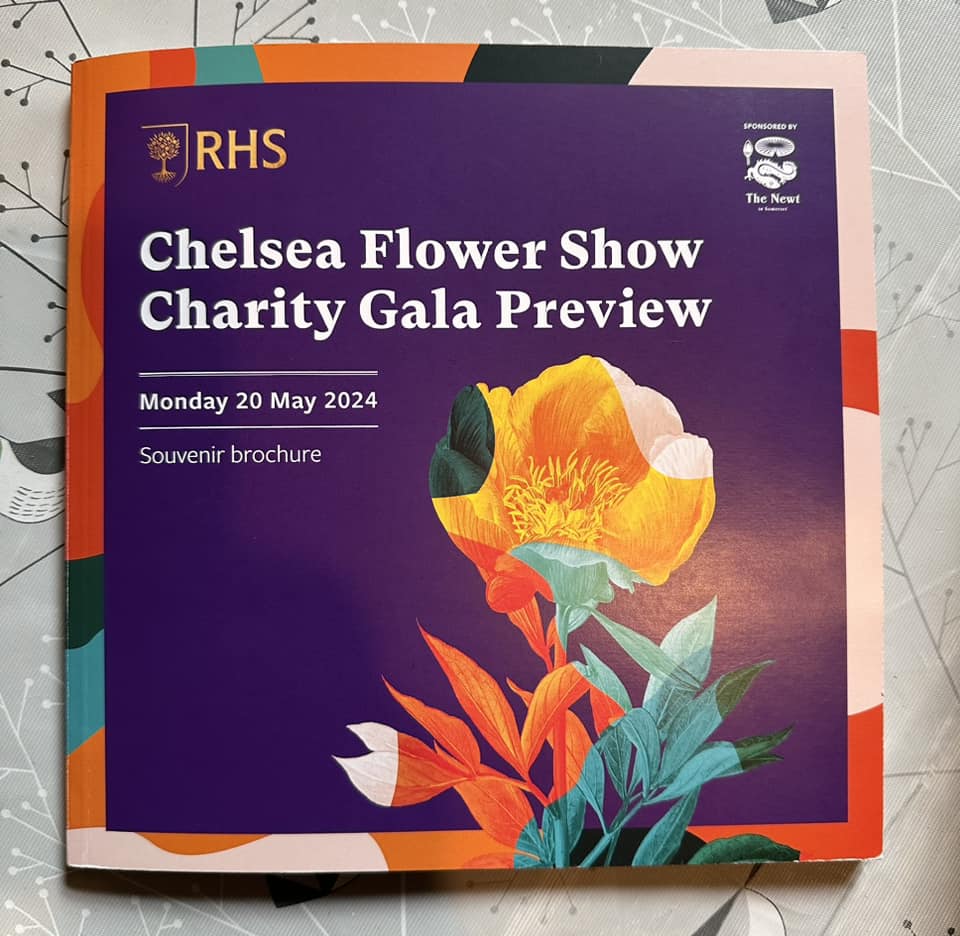
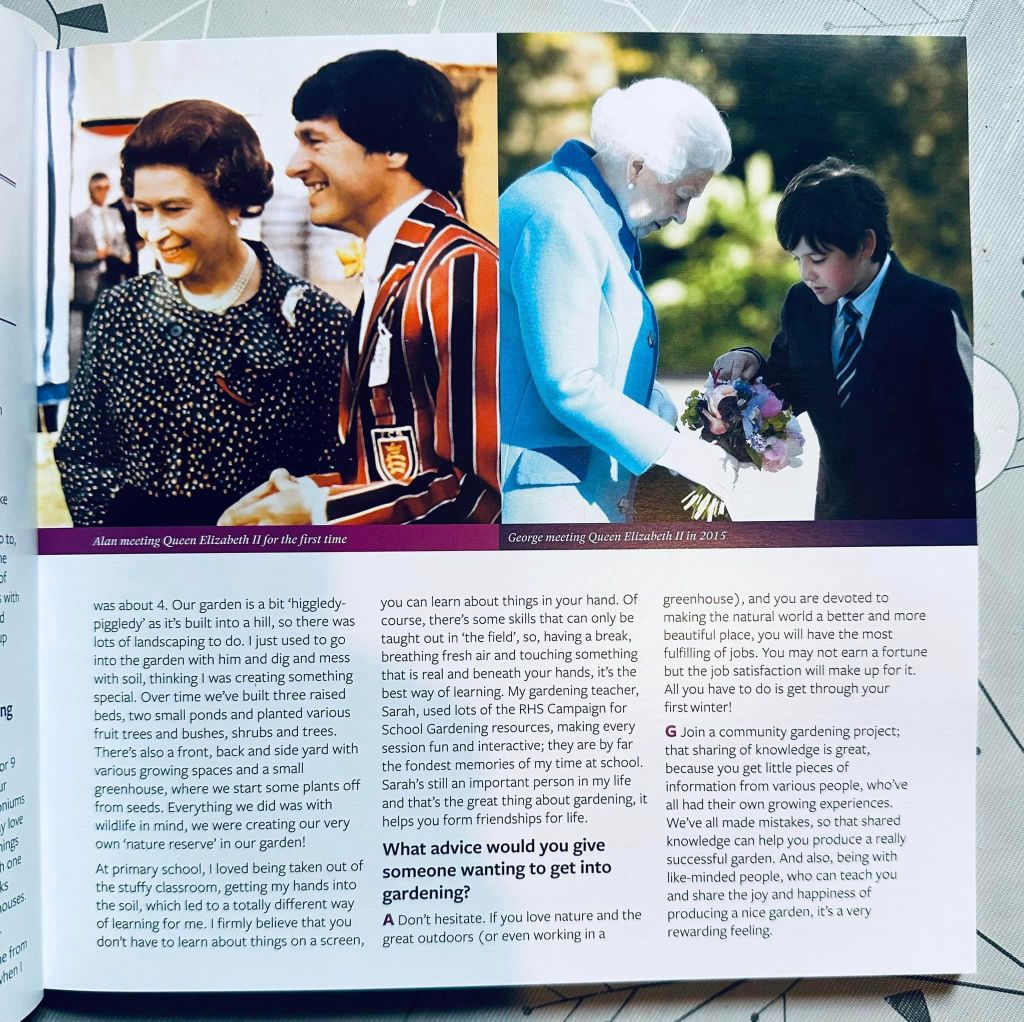
Back in May I shared a page with the Gardening Godfather, Alan Titchmarsh in the RHS Chelsea Flower Show Souvenir Brochure. We wrote about our favourite gardening memories and offer our thoughts & opinions on the future of gardening. What an honour eh, I’ve got to say, I was well chuffed !

It was a privilege to be on a panel with naturalist & bird guy, Jack Baddams, young wildlife ambassador Henry & naturalist writer, Mya Bambrick at Global Birdfair back in July. Hosted by wildlife author, Ajay Tegala we talked about our experiences growing up with nature and the benefits of social media.

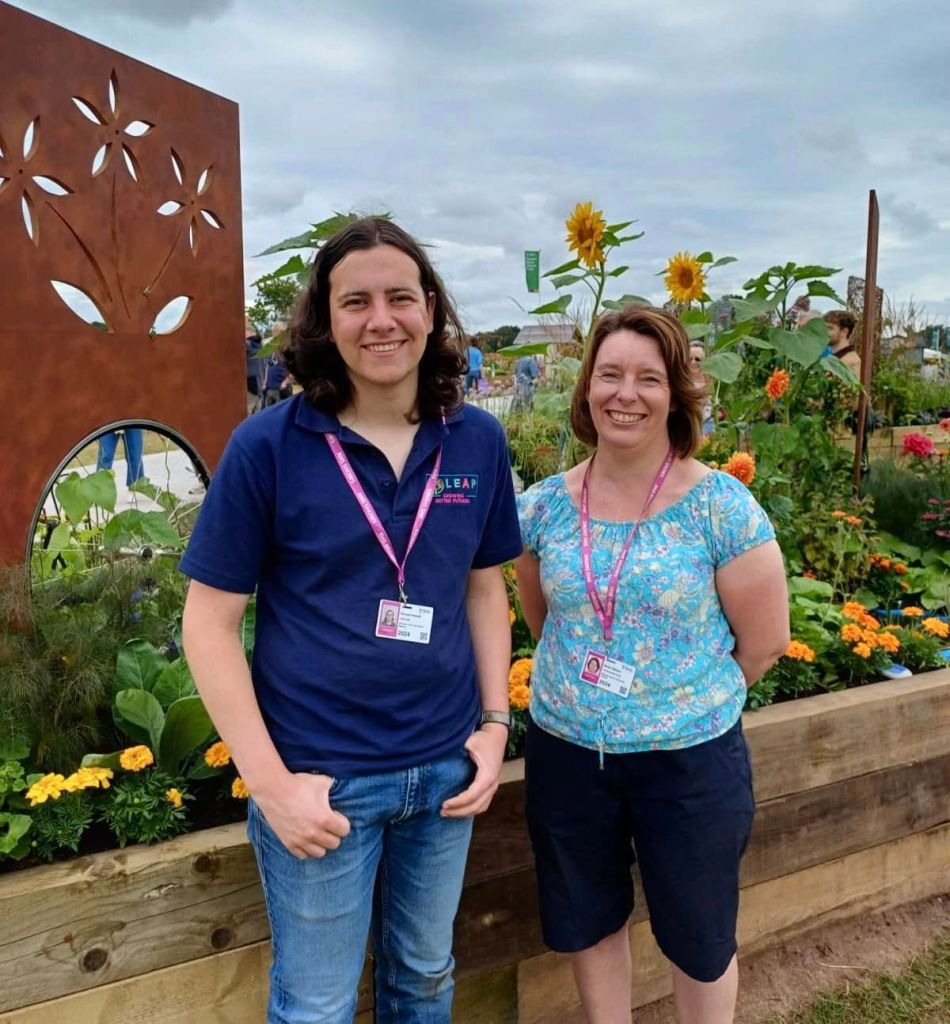
Late July I volunteered at RHS Tatton Flower Show with my job at The Leap. They had done a garden in The Long Borders Area with The Staffordshire Puppet Tree: It’s a Family Affair by Sarah Watson.

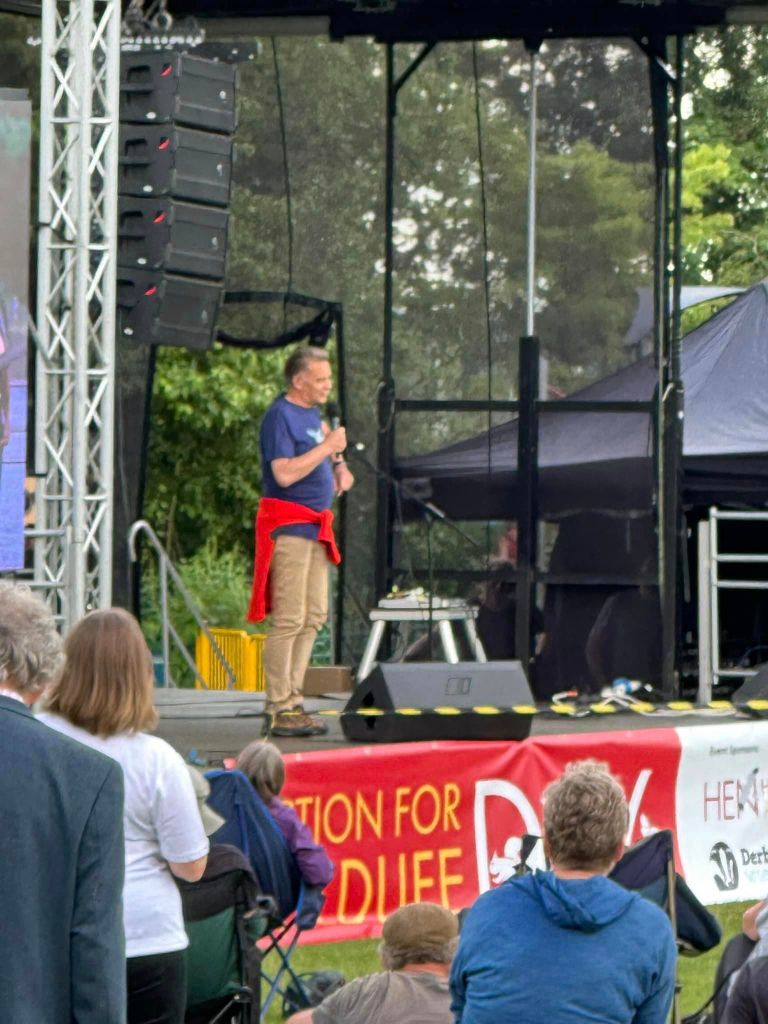
In August over at Carsington Water there were powerful messages from inspiring folk at Action for Wildlife Day. Organised by Hen Harrier Action, it was such a great vibe too, top job.

Job

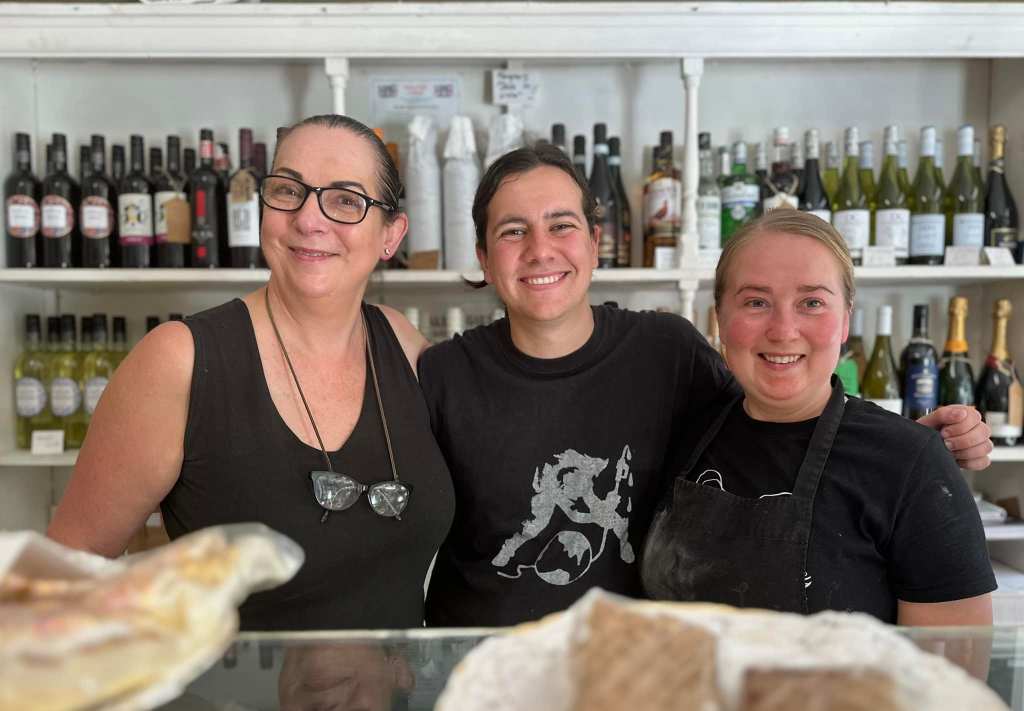
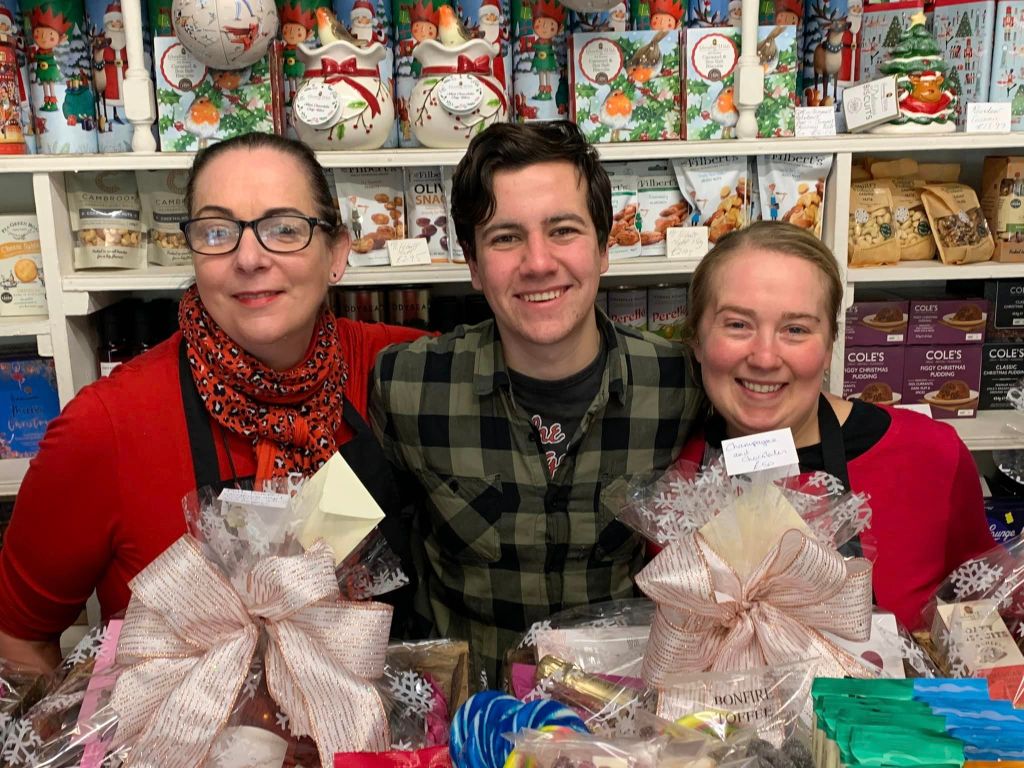
As soon as I returned I got busy earning. Returned to my number one job, Heyrod Food & Floral, with my 2 favs, Lesley & Lauren, where I spent most of my time laughing and eating samosas!

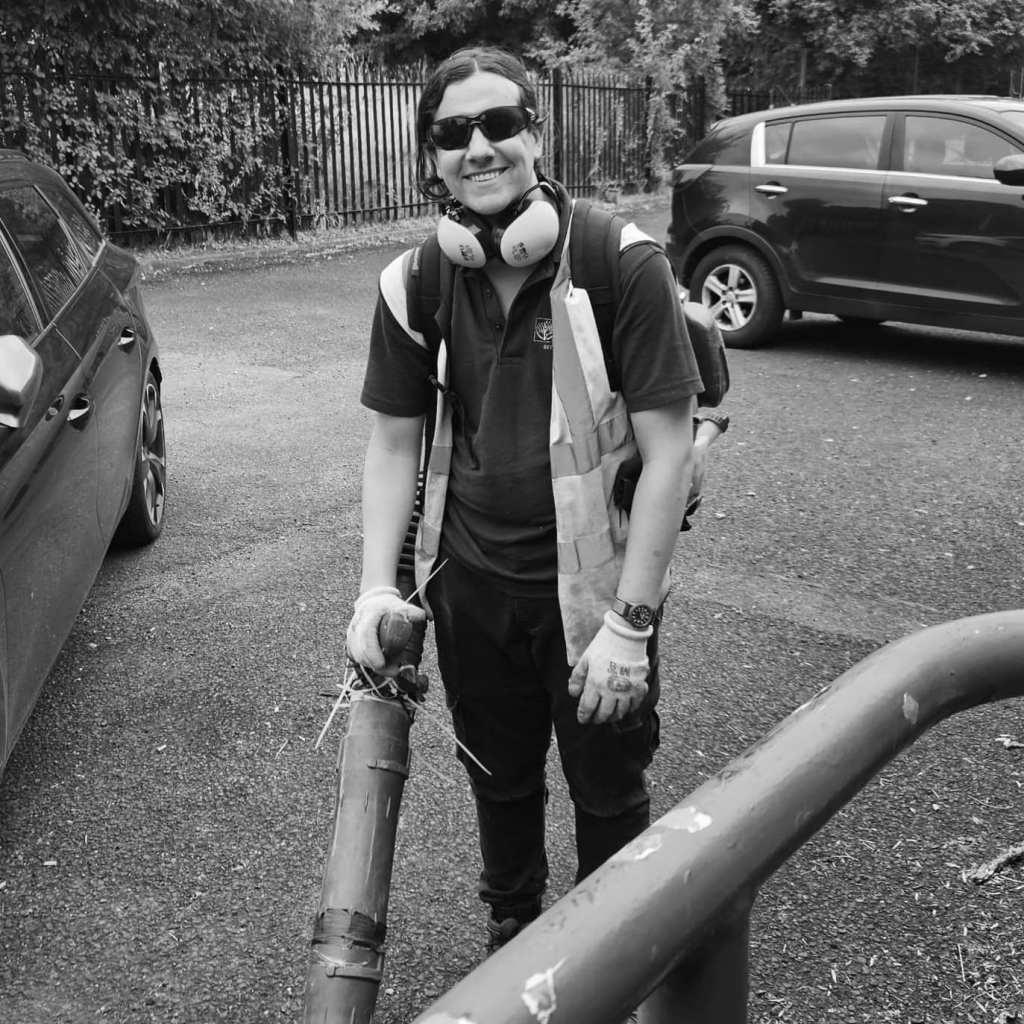
I also bagged a seasonal garden maintenance job at The Leap Social Enterprise with the Greenscape Team, where we got out and about in the community working on social housing & private gardens. Got lots of experience, with stuff I’ve never done before, including using commercial/electrical equipment! Plenty of breaking rocks in the hot sun and turning concrete jungles into community green spaces.

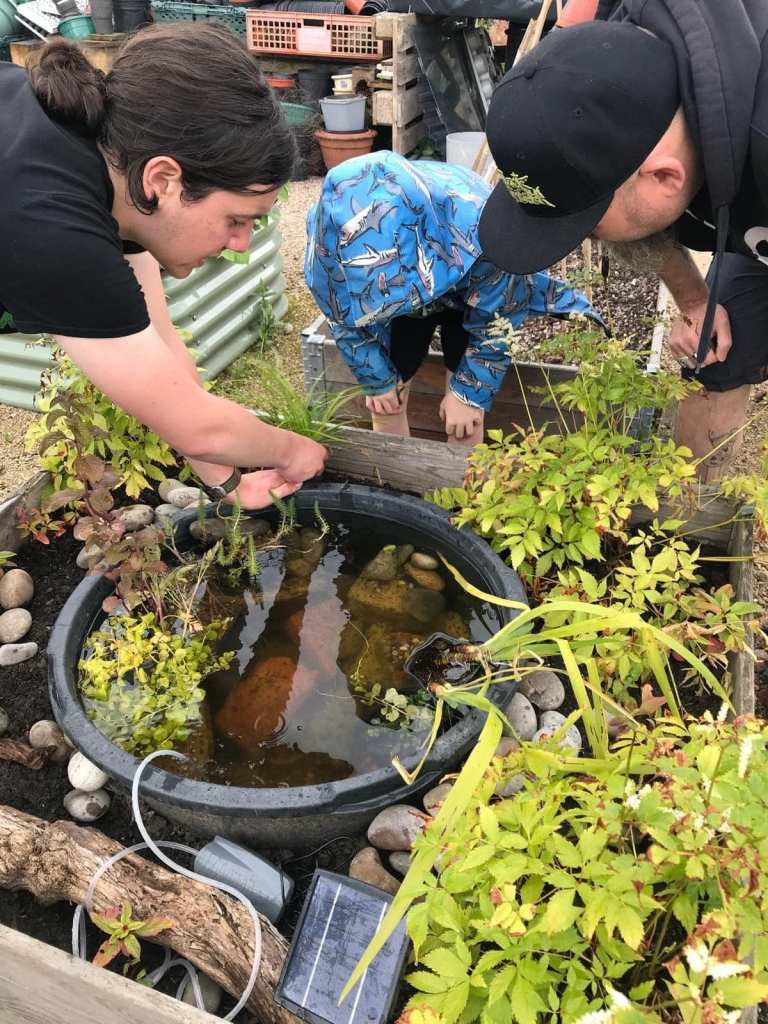
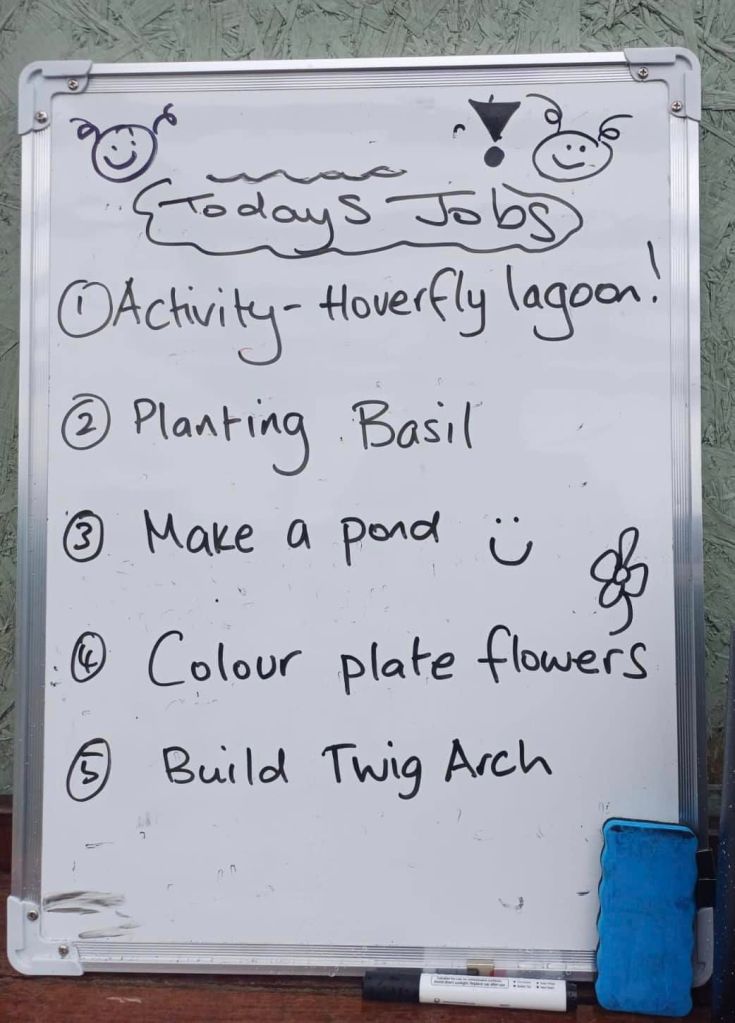
Mid-summer we started a new project, bringing Dads & kids together on a community allotment to help them bond through gardening and nature. It was proper heartening to see the kids get stuck in and get all giddy finding snails and caterpillars. I also helped with an earth-themed week of activities for the Holiday Activities and Food Programme. And helped to co-ordinate a work programme too. So it’s fair to say I’ve had plenty of gardening experience with folk this summer, it’s been a fab experience, great vibe and I’ve loved it.

Cairngorms

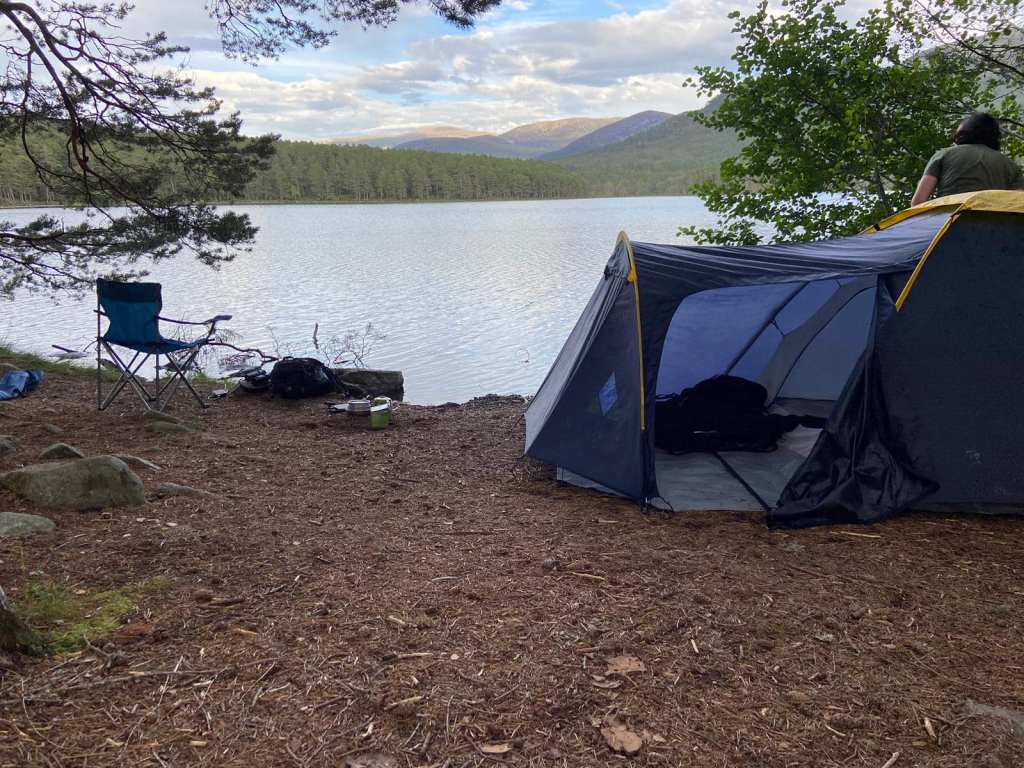
After all this hard graft, I was very much in need of some R&R, so me and my mate, Ben took off for a wild camping adventure in The Cairngorms. First stop was RSPB Loch Garten, where we headed down the trail and pitched up on Loch Mallachie. There, we were treated to 2 calling Red Throated Divers and some of the best views of swifts we’ve ever had. Was a slightly less nice kip though, as we unfortunately camped on a rooty slope!

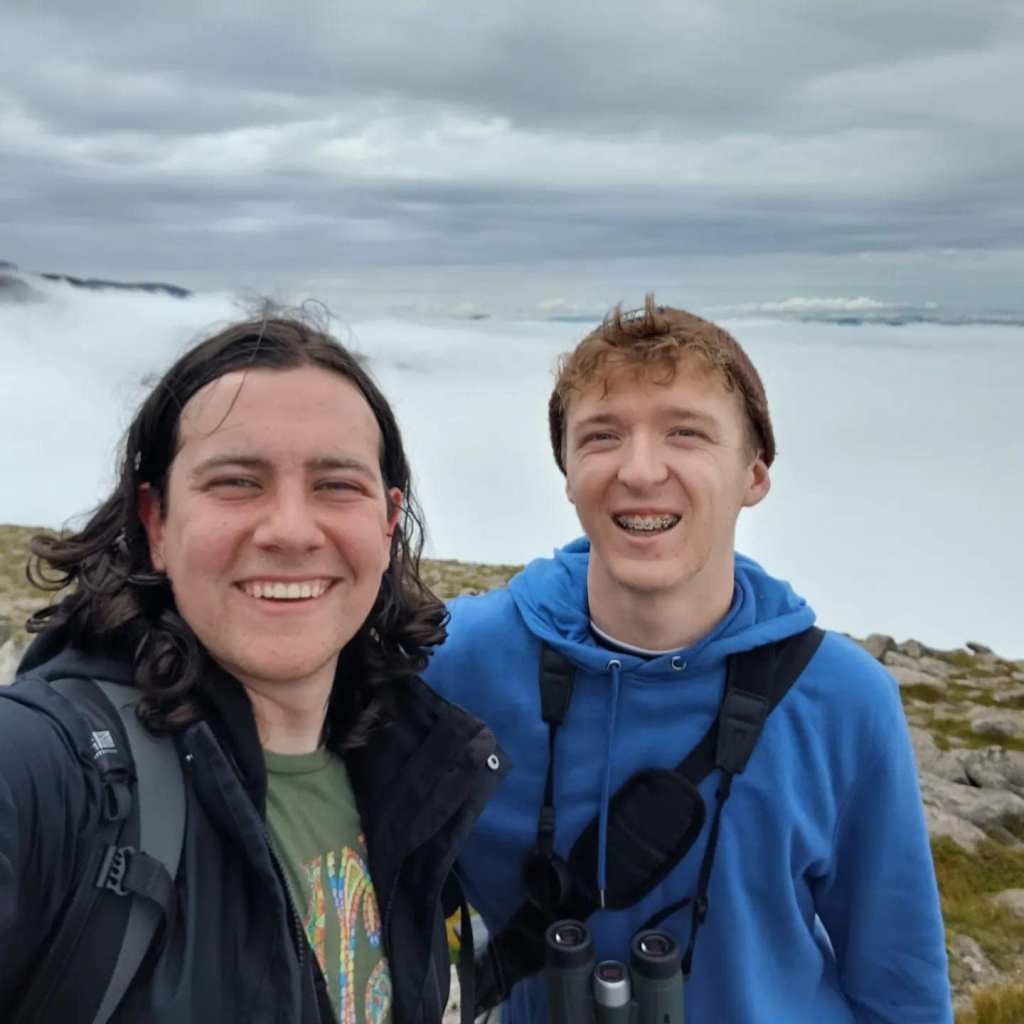
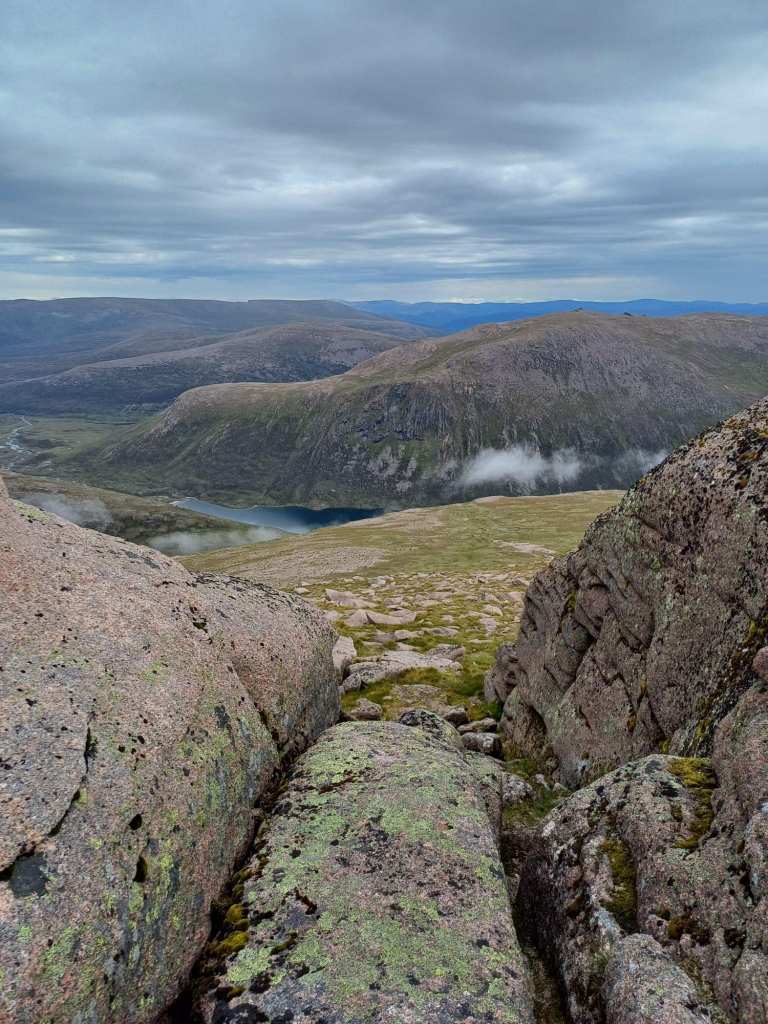
We headed up to the Alpine Garden, where the gardener, Carol pointed out a small group of weasel kits in the boulders, so CUTE! After a short stop at the highest level phone box in the UK, we headed through the fog up the mountain, constantly scanning for Ptarmigan and ring ouzel but no joy. But then, as we ascended up a ridge near Cairngorm, the cloud broke to reveal a phenomenal cloud inversion filling the gullies and ridge of the mountains and pooling in the valley of Glenmore.

And now to the wildlife, after recovering from the awe stricken shock of the cloud inversion, we headed up to the summit of Cairngorm. At 1200m, we walked over to a tor overlooking Loch Avon, and the rest of the Cairngorm mountains and a brilliant spot by Ben showed a small herd of the famous free roaming reindeer walking below us. It’s safe to say I was ECSTATIC!!!! I’m sure you’ll agree, what a place to see em! We then headed round the rest of the summit to spot a gorgeous male snow bunting singing its heart out, before flying past us over its rocky kingdom. The walk back down found us another reindeer before chatting to Carol at the Alpine Garden, who told us that all 150 reindeer in the herd have names! We drove back down off the mountain happy birders to our next wild camping spot on Loch an Eilleen with the mountain we climbed silhouetted in the sunset and a small group of teenage ducklings keeping us company for the night, as well as red squirrel, woodcock and osprey.

It was a magical adventure, wrapped up with a wild swim. Much to our surprise the famous Scottish midge weren’t too bad. The Cairngorms, they’re good for the soul !

That wraps up summer

There’s lots of things to look forward to here at uni in the next couple of months, with field trips, gardening sessions, wildlife activities and plays. For updates, check in on my Instagram, Facebook & X pages as I post there more regularly. Have a great autumn and keep in touch, George

Posted in Cooking, Environment, Gardening, Nature, RHS Ambassador, Wildlife | Tagged , , , , | Leave a comment

All The Young Dudes

After a cracking Christmas spent in Manchester, I returned to Uni in mid-Jan.

It’s been a few weeks of work hard, play hard; here’s what I’ve been up to….

Read more: All The Young Dudes

Semester 2

This semester I’m studying 3 new modules.…

  • Landscape Evolution is how weathering and erosion can affect and change a landscape, which I find really interesting, ‘cos I love learning about glaciation and so on.
  • Global Environmental Issues is exactly what it says on the tin; how humans impact the world around us. I learnt something really interesting about how crushed igneous (volcanic) rock can help to absorb CO2, which is potentially a solution for absorbing greenhouse gases.
  • Practical Science Field Skills, we had a chilly walk around the Loch surveying trees using compass bearings and maps, which was right up my street. 

Hoping the field skills are off campus, preferably in the Cairngorms or on Mull 😉

Society Groups

I’ve signed myself up to 6 society groups; from film appreciation to wild water swimming, though given the recent temperatures it will be a while before I do that! Weds afternoon is Uni’s community gardening group. The first few sessions have been spent doing a bit of winter maintenance, weeding, mulching and making plans for spring, including clearing an area to create a potato patch. I also did a little bit of willow work to create a lovely, living hedge and was victorious in pulling out some reed grass, which I replanted elsewhere. The weather’s been a bit mixed and had to be cancelled at times due to strong winds. It’s deffo been the highlight of this semester, there’s honestly nothing better than spending time with like-minded people chatting away, whilst pottering around and it gave me a much needed dose of vitamin G!

It was pretty cool doing the Big Garden BirdWatch from Uni’s community garden too. Amongst the common garden birds, we were treated to views of a wee flock of bullfinch and even a siskin. Again, it was dead nice to meet like-minded people; made me feel right at home.

Walks from Campus

We’ve had some grim weather up in Scotland, at times the wind has been so bad that lots of society activities have been cancelled. I’ve managed some great walks when the weather’s been ok, including a magical walk in Hermitage Woods. The woods are accessed literally straight out of my communal door; they are a dense, mixed woodland rich with plants, wildflowers and wildlife, honestly, they are stunning. Me and my mate Kai spent some time uncovering old ruins, part of the hermitage ruins, which have inspired me to try and write a script as part of my Air TV society.

On another walk I poked some puffballs, watched roe deer strutting through the fields, stumbled across newly emerging foxgloves and a fairytale carpet of snowdrops was the icing on the cake. One of my regular walks from Campus is Dumyat (pronounced duh·mai·uht), the smallest of the Ochils. It’s not a particularly steep or difficult climb, but once you reach the summit, you’re rewarded with fab views. In the wee walks around the campus Loch, I’ve been treated to regular views of goldeneye, goosander and teal and some very aggressive swans, got a fair few bite marks off ’em, when I was giving ’em some grub. 

Wildlife watching

Back at home, over the Christmas and New Year break I visited a fair few nature reserves. Great to catch up with my mate, Indy and I finally saw a BRAMBLING !!! (not just one either, a decent flock of em). Also saw/heard Hawfinch, Crossbill, Goshawk, Raven, Great White Egret and Cattle Egret. It was worth every inch of an epic 45km bike ride.

Me and my mate Ben, had a fab walk round St Aidan’s, where we heard the twinkling call of bearded tits, but sadly didn’t see ‘em.

Had my Derbyshire fix too, on the search for some winter fauna. Me and Dad had a hike round the Longshaw Estate for bramblings and later a great grey shrike, we were unsuccessful. We then went on the hunt for hawfinch, we were also unsuccessful. That’s wildlife for you! But we were treated to a small flock of waxwings that flew relatively close to us to drink from a small puddle over at Hassop.

Over at St Aidan’s again, Dad and I got extremely wet, but it was well worth it, as we were treated to unbelievable views of a glossy ibis as well as golden eye, marsh harrier, red kite and possibly a bittern?? It was cracking to be back birding with my Dad.

Projects for ‘24

Had my first interview of the year with young naturalist, Rufus for RSPB’s Wingbeat Magazine, out in Spring.

I’ve got a few things in the pipeline for late spring into summer, but otherwise if it’s pretty much a repeat of the above, that’ll do me!

Posted in Environment, Gardening, Nature, Visits to parks and gardens, Wildlife | Tagged , , , , , , , , , | 2 Comments

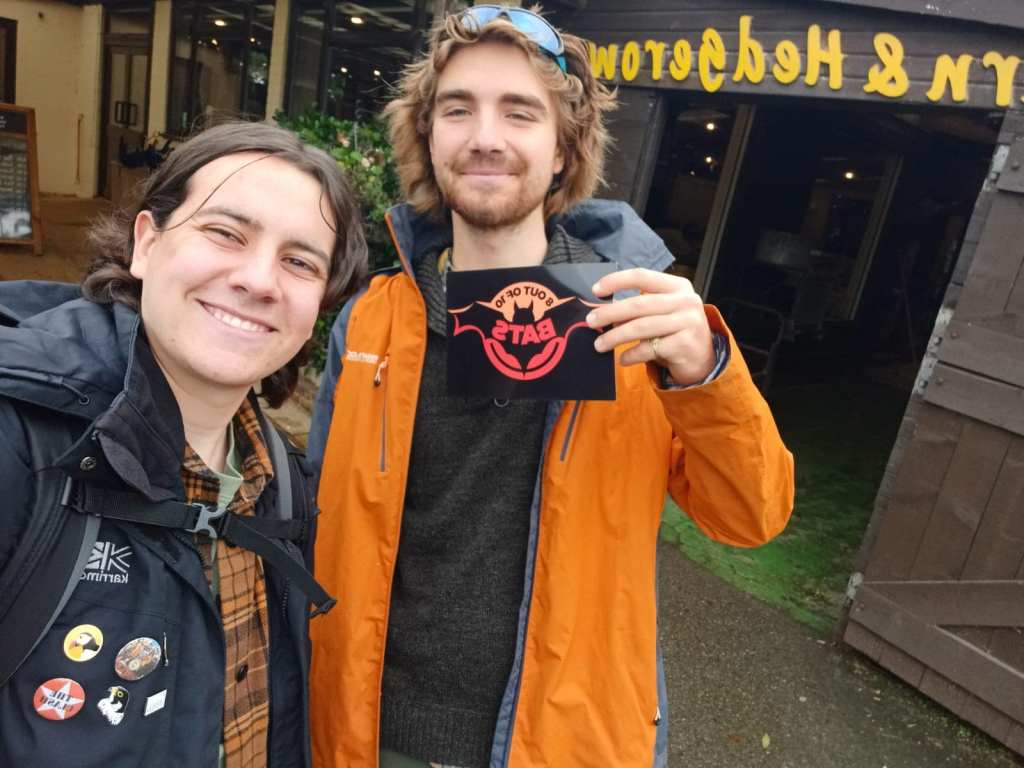
‘Chuffed’ to have been part of the first ever series of ‘8 Out of 10 Bats’

Working on ‘8 Out of 10 Bats’ has to have been the biggest and best production I’ve ever been involved in!

We had everything, the animals, the people, the laughs, (maybe not the weather); it was truly an unforgettable experience.

Read more: ‘Chuffed’ to have been part of the first ever series of ‘8 Out of 10 Bats’

After the axing of a certain autumn-based wildlife programme, us nature lovers needed our fix, and here it was….. 8 Out Of 10 Bats! Two weeks of free, live broadcasts, celebrating UK wildlife. No license fee needed, just your device and WiFi !

We had important campaigns and controversy, nerdy nature & geeky science facts, a dash of comedy, music and a few cheeky dances. One of the best things about the show is that it gave young people a platform to share our passions for the natural world.

Introducing the Dream Team

Presenting week 1 Episodes 1-4 from Dundreggan Rewilding Centre was wildlife presenter and photographer Christina Sinclair and conservationist, naturalist, campaigner and my best mate, ‘our kid’, Indy Kiemel-Greene.

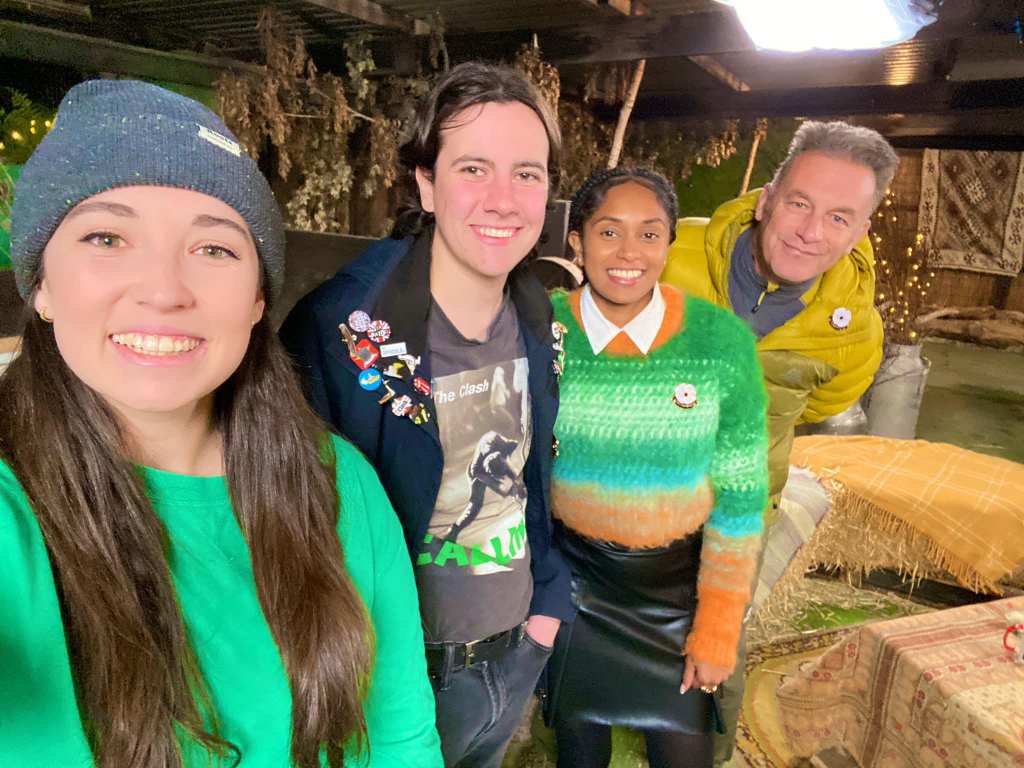
Presenting week 2 Episodes 5-8 from the British Wildlife Centre in Surrey, was wildlife advocate & explorer, City Girl in Nature, Kwesia X and me! Wildlife TV presenter & author Megan McCubbin and (needs no introductions) Chris Packham presented both weeks.

There was a diverse bunch of guest presenters too; including my mate Kabir Kaul, highlighting some of London’s urban wildlife, talking dinosaurs, nature enthusiast, Aneeshwar Kunchala, nature narration from Jasmine Isa Qureshi and talking all things taxidermy, Elle Kaye.

And those grafting in front & behind the scenes – Lucy Lapwing, James Stevens, Leif Bersweden, Henry Tamblin, Geraint Evans, Peter Elliot and the one and only big cheese, tech wizard and live director, Fabian Harrison

Here’s links to all 8 episodes:

  • Episode 1 – First Wild Beavers Are Back In London & Kleptoparasitic Flies 
  • Episode 2 – Slimy Tree Snot & Goshawk DECIMATES Osprey
  • Episode 3 – Gigantic Honey Fungus & Otter vs. Eagle SHOWDOWN
  • Episode 4 – Marine Treasures & PARASITIC Monster In A Barrell
  • Episode 5 – Sputnik Galls & LIVE Harvest Mice
  • Episode 6 – Halloween Special 🎃👻
  • Episode 7 – Scottish Wildcats LIVE & Fire Salamanders
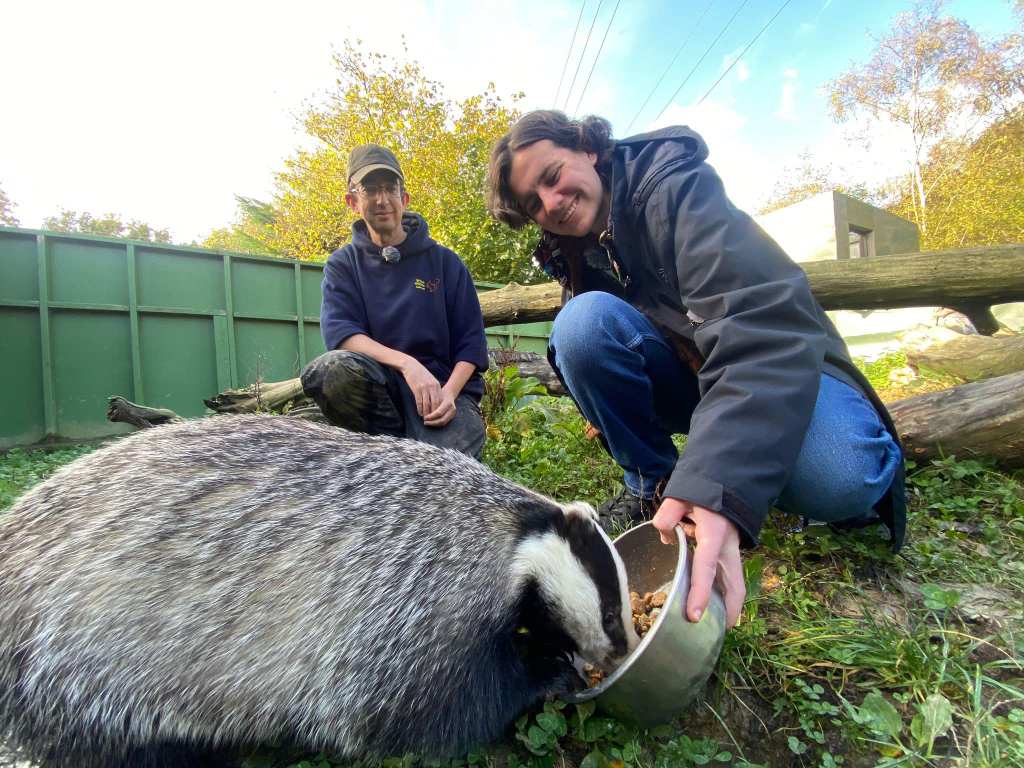
  • Episode 8 – Meeting The Badgers & LIVE Little Owl

I loved every minute of working with this amazing team, we all worked so hard, but I tell you what, we had a proper laugh! It’s one of those periods in my life that I’ll never forget and who knows, maybe, just maybe we’ll see ‘8 Out of 10 Bats’ back again soon……

Posted in Environment, Gardening, Nature, TV, Wildlife | Tagged , , , , , | Leave a comment

Get your autumn nature fix with ‘8 Out Of 10 Bats’

The biggest and best thing that is happening this autumn, ‘8 Out Of 10 Bats‘, the newest, nature show, bringing you the wild, the weird and the wonderful.

And I’m proper chuffed to say I’ll be presenting week 2, make sure you tune in, you’ll not be disappointed.

Read more: Get your autumn nature fix with ‘8 Out Of 10 Bats’

What to expect

After the axing of a certain autumn-based wildlife programme, us nature lovers needed our fix, and here it is….. 8 Out Of 10 Bats! Two weeks of free, live broadcasts, celebrating UK wildlife. No license fee needed, just your device and WiFi !

Expect important campaigns and controversy, nerdy nature & geeky science facts, with a dash of comedy & music. One of the best things about the show is that it is giving young people a platform to share their passions for the natural world.

Meet the presenters

Presenting week 1 from Dundreggan Rewilding Centre from top left to right there’s wildlife presenter and photographer Christina Sinclair and conservationist, naturalist, campaigner and my best mate, ‘our kid’, Indy Kiemel-Greene.

Presenting week 2 from the British Wildlife Centre in Surrey, will be wildlife advocate & explorer, City Girl in Nature, Kwesia X and well, my good self! With wildlife TV presenter & author Megan McCubbin and (needs no introductions) Chris Packham presenting both weeks.

And the team creating this magic:

Other contributors

There’s a diverse bunch of guest presenters too; including my mate Kabir Kaul, who is highlighting some of London’s urban wildlife, talking dinosaurs, nature enthusiast, Aneeshwar Kunchala, and bringing some nature magic, Jasmine Isa Qureshi.

Where to watch 8 Out of 10 Bats and get regular updates

Keep checking back on here and all my socials, I’m posting updates on a daily basis.

Posted in Environment, Gardening, Nature, RHS Ambassador, TV, Wildlife, Young Bloggers | Tagged , , , , , , , | 3 Comments

Move on up!

Things have moved so quickly – I turned 18, went to Mull and then Uni all in the space of 4 weeks.

I missed out on my first choice of Uni, (by one grade in Biology), but fate dealt me the best of hands and I ended up at my insurance choice, Stirling and well, I’ve landed on my feet let me tell you.

Read more: Move on up!

University – the next chapter

After surviving freshers week, the actual learning began and I couldn’t wait to get stuck in to my chosen course, Environmental Science! What does the course involve? Well, it’s all about finding solutions to some of the world’s most pressing problems from climate change, pollution, and the loss of biodiversity to the sustainable provision of energy, food, and clean water. Studying an environmental course in Scotland, links everything I’m passionate about, so I’ve chosen well.

In our practical for the module Blue Planet, we had a walk round the loch on campus and followed various QR codes that told us information about the biology and history of the loch. I was surprised to hear that it was man-made for an estate and it was really interesting to learn about the various threats the loch faces from Azolla ferns and blue-green algae, which is toxic (a shame ‘cos I fancied a swim!). In our module looking at geology we studied the various rock faces around Bridge of Allan to discover their formation, from silt on ancient river beds to volcanic eruption 400 million years ago.

And apart from the learning, Uni life is fantastic! From the sun setting over the bridge in the evening, views of the distant mountains and staggering up the tree covered roads after at night at Fubar!

Saying goodbye to my local shop for local people

Leaving for Uni, meant leaving my first (and best) part-time job at Heyrod Food & Floral . I was really sad to leave; had the best boss in Lesley and made great friends with Lauren and the rest of the crew. I’ll miss the customer banter, scoffing the pies & samosas and the end of shift treats. Secretly hope to return to the potwash & peeling 3 million sprouts at Christmas 😉

Hung up my Rocketgro trowel

I’ve also finished working with RocketGro; which was my first dabble as an ‘influencer’. They were a fantastic company to work with, fair and ethical in both their business and professional approach, it’s been a delight to be part of the journey. I’ll never forget the start they gave me in my professional career and for that I’ll always be grateful. Cheers to the RG team and good luck conquering the peat-free world!

Youth Ambassador

My job as RHS Young Ambassador continues albeit a bit differently. Am hoping to carve a role focused on my studies, as not being able to access my garden means it’ll be tricky to report back from there. Similarly, my job as Youth Ambassador for the British Dragonfly Society continues. I’ll just be raising awareness a little differently from now on.

Being in Scotland, doesn’t mean I’ll forget my roots! I’ll still be checking in with my home-town organisations too, Operation Farm, In Our Nature MCR and South Pennines Park.

Enrich The Earth

Just before leaving for Uni, I filmed a couple of videos from my garden for a new organisation, Enrich The Earth, which exists to promote and transform unavoidable green and food waste into nutrient rich compost. In the first video I talk about the decision to go peat-free, you can watch it here. The second video is all about the benefits of home composting; you can watch it here.

Harvest Time

The harvest at home has been phenomenal this year, definitely the result of using a combination of home compost & peat-free products in the growing season. Dad made a comment before I left for Uni, about the soil health in the veg beds, being the best it’s ever been and that’s a combination of things really. Before putting the veg beds ‘to bed’ for the winter, we spread soil improver and our own organic home-made compost over them. That marriage has created really good quality soil and provided the right nutrients for healthy plant growth. Before I left home, we were literally picking & eating on a daily basis.

New adventures await

And now, it’s time to focus on my studies; I’ve got a few exciting things in the pipeline which I’ll share on my socials. So keep checking in and stay in touch, it’s always great to speak to my virtual mates. Nice one!

Posted in Environment, Gardening | Tagged , , , , , , , , , | Leave a comment

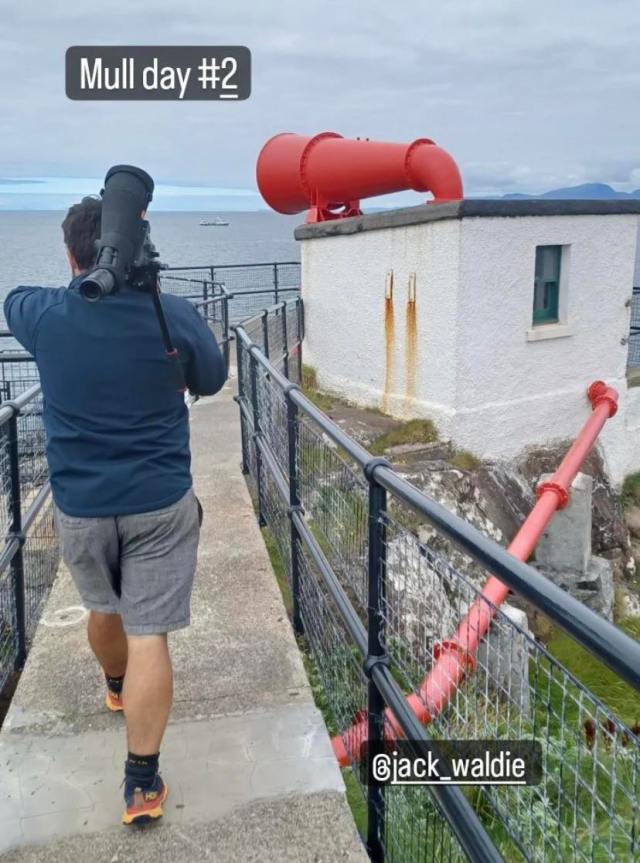
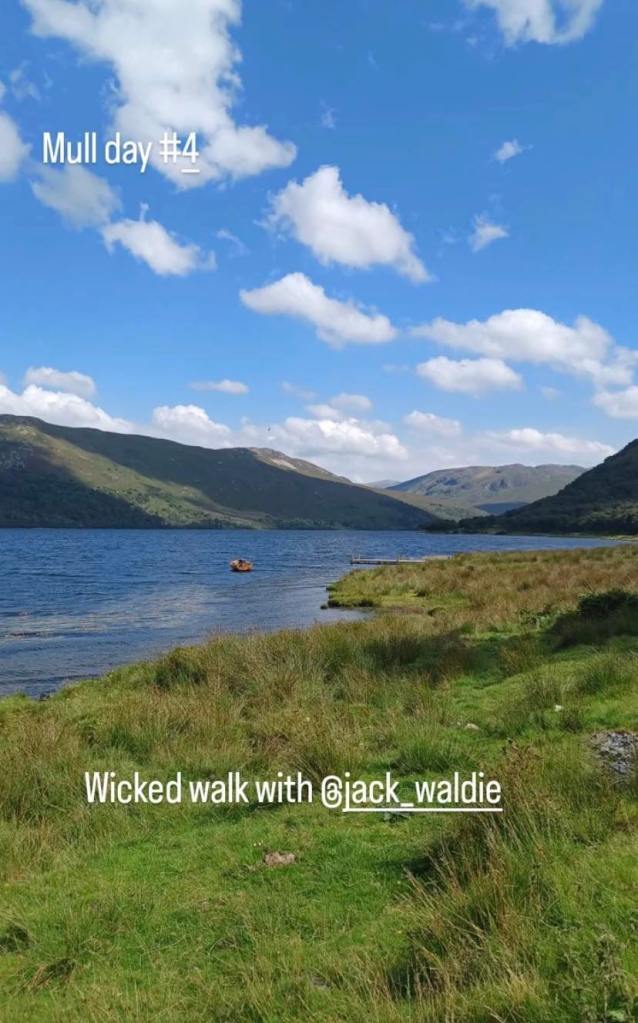
My summer internship on the Isle of Mull

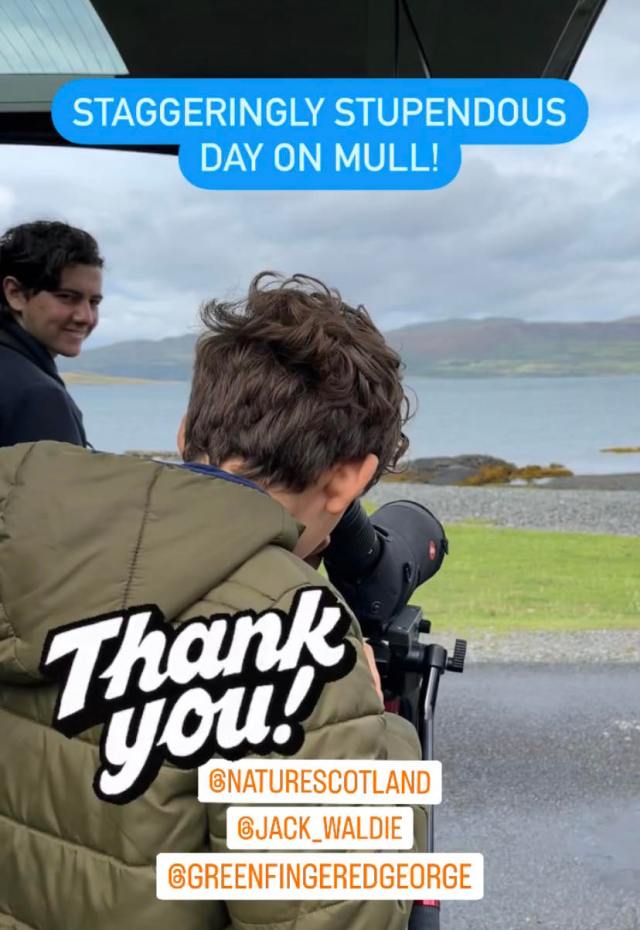
One of my biggest dreams was to be a wildlife tour guide on the Isle of Mull and that dream became reality when I got the opportunity to do a voluntary internship with Nature Scotland.

Above a scribbled plan, Mum, Dad and I wrote when I was 13 and planning what GCSE’s to study. My ‘North Star’ – what I wanted to do when I was 18 – included Mull Wildlife Tour. Well, that’s one big, successful, mind-blowing tick!

Read more: My summer internship on the Isle of Mull

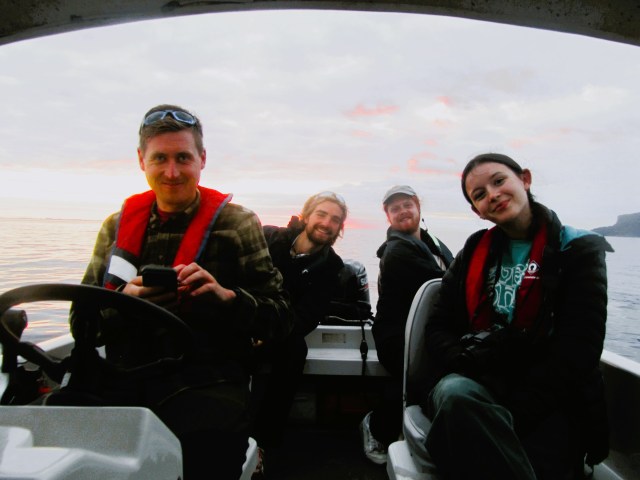
Didn’t quite have the best of journeys as I had a bit of a hangover, after celebrating my 18th birthday literally the day before I left, but my spirits were certainly lifted on the ferry over, with views of golden eagle over the distant mountains. We then had a whistle stop tour of the island with Jack, Indy and Katie, where we saw slowworms, white-tailed eagles and an osprey being mobbed by a hen harrier! The highlight was yet to come; an evening on the boat, where I saw my first basking shark, which swam directly underneath the boat. It was so close you could even see the blue of its gills and its monumental size, not bad for the first day eh?

What can I say, the rest of my time on the island went something like that! Let me introduce you to the rest of the team, Ewan is an incredible boss, who is honestly one of the nicest, most generous, most knowledgeable people I’ve ever met. Theo, who has got to be one of the most skilled birders I know. Then there’s Jack, who’s a total crackpot (back-handed compliment), but seriously, I spent most of my time working with Jack, and most of that was spent laughing!

The usual tour we did was around the South side of Loch na Keal and then through the mountains, the other tour we did was over to the Ardnamurchan Peninsula, which contained the crater of an extinct super-volcano. We saw otters and white-tailed eagles on a daily basis and it was an absolute honour to watch a WT eagle chick grow over the course of my time there. Nicknamed ‘big baby’, due to being late to fledge the nest, I watched it branch and was later happy to hear it had finally fledged.

Whilst on Mull, I got 4 new species with a basking shark, minke whale, storm petrel and an Arctic skua! We had some wonderful experiences out to sea on Ewan’s boat, with super pods of common dolphin with the setting sun behind the Isle of Coll.

I stayed at Tobermory Campsite in a proper luxurious shepherd hut. A lovely site, with a river flowing through the middle, I felt proper at home in my cosy little hut.

Went on a couple of hikes, including climbing Ben More, the highest peak (at 968 metres) and only Munro on Mull. I’ll tell you what, it was pretty bad conditions up there; I got completely battered by wind and rain from every direction. Visibility was terrible, barely 10 metres, but I got to the cairn, finishing the day with a wee whisky in the pub to warm me up! A few days earlier Indy, Katie and I ascended Creach-Beinn; really low cloud at the summit, but a pretty challenging scramble down a ravine was great fun on the scree.

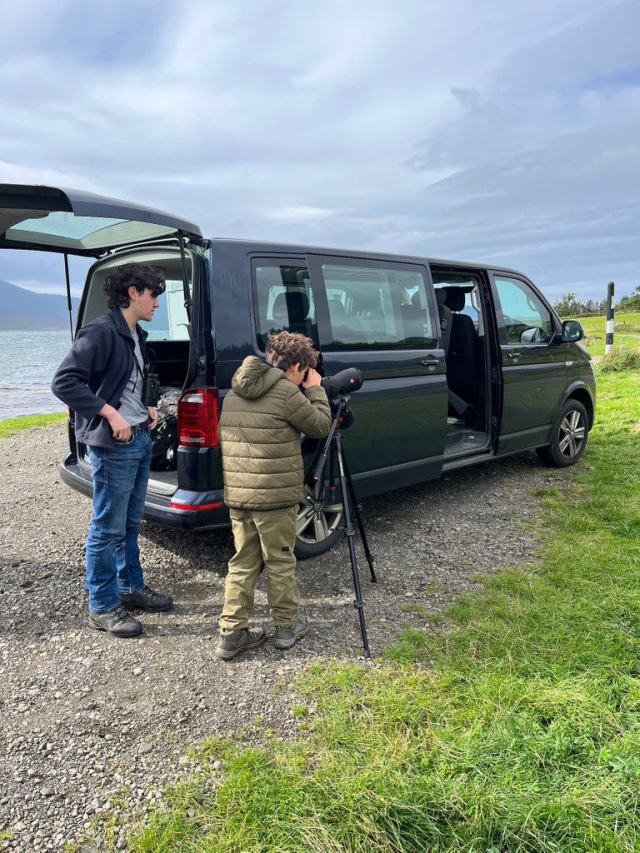
It was great to meet and chat with a wide variety of guests, who all shared my Mull obsession! Great to spend plenty of time with 10yr old nature blogger, Henry and his family, the next gen of nature nerds! Over 2 days of touring/boat trips we spotted otters, hen harriers, red deer, osprey, ringed plovers and of course, WT eagles.

My favourite sightings on the boat had to be the thousands of Manx shearwater so close to the boat you could almost touch ’em. There’s nothing like seeing a manxie flying on long straight wings and the noise they make, it’s absolutely hilarious! But I think my favourite experience was listening to the pops and squeaks of common dolphin under the boat, weirdly, the highlight was when one surfaced and sneezed on my face! 
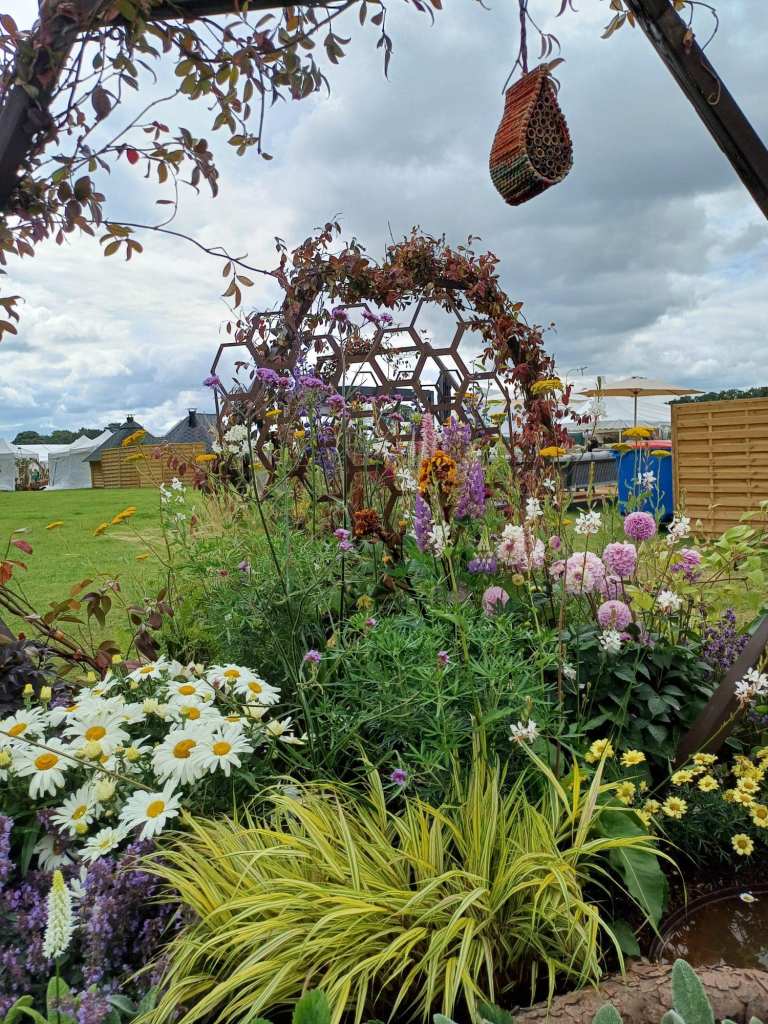
I went back to my gardening roots, with a quick visit to Lip na Cloiche Garden. The landscaping and use of boaty antiquities was proper inspiring. I loved the way the winding path led you through and opened out to incredibly breathtaking view. It was deffo Chelsea worthy.

Wildlife aside, the best thing was the people I met – I’ll get in trouble for forgetting someone, so hopefully they’re on the pics below – pretty much every evening ended in the pub, where I played pool with a heck of a lot of folk and lost every game, except when I played Indy!

It amazes me how different life on an island is, where everyone knows everyone and there’s this feeling of community, togetherness and safety. I also observed the amount of environmental problems facing Mull, such as the over population of deer and sheep and the invasion of rhododendron. Eco-tourism plays a massive part in the conservation of this wonderful island and you couldn’t get a more passionate and knowledgeable team than that of Nature Scotland and its sustainability aims to protect this spectacular place.

Mull had such a positive effect on me, I had myself some kind of epiphany, it was just magic!

I felt really unsettled when I returned home, but thankfully Scotland called 4 days later and I headed back up north for my next adventure…..

Posted in Nature, Wildlife, Young Bloggers | Tagged , , , , , , , , , , , , , , , | Leave a comment

What’s going on this spring?

Blink, we’re already 3 months in to 2023 and I planned to write a post about all the stuff I’ve got on this year, but here we are in March and I’ve totally neglected my blog!

I’ve got plenty of excuses though, namely exams, lots of exams! Anyway, better late than never, from college work to paid work, campaigns to community stuff, here’s what I’m up to in 2023.

Community stuff

I’m kind of involved in quite a bit of local, community stuff, but with college exams ramping up I can’t get as stuck in as I’d like to. However, I’ve been:

  • Rocking up with the Young Op Farmers at their social events. We’re 6 years in with that project and we have a right laugh making soup & soda bread and more recently, seed planting. I’ll be volunteering at a couple of their community events too.
  • I dropped off a load of compost for the guys at People First Tameside; I’ve watched their Secret Alley Garden develop over the years and look forward to watching their garden grow at a new site at Waterloo Community Gardens. We’ll be swapping seeds and seedlings over the growing season. Thanks to RocketGro for the donated compost.
  • And a newbie to me is Tameside People 4 Wildlife. I was introduced to the volunteers via a hedgehog food donation I’d received, and I ended up sharing my afternoon with the most delightful barn owlet called, Blizzard. Since then, I’ve visited the volunteer team at their new site and given them some ‘pond advice’ to increase the biodiversity of the habitats there. BTW, Blizzard is now so famous, she has her own Facebook page! 

Campaigns

I’ve had a really busy time with my campaign work, having been interviewed by a few organisations this year, mainly about gardening for biodiversity, have a nosey at my socials for the links.

In addition:

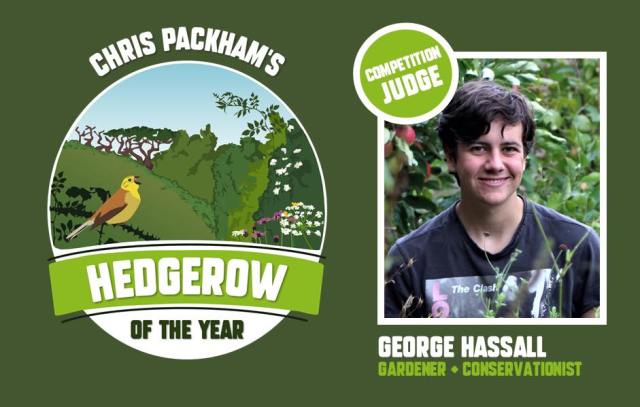
  • I was really chuffed to be asked by my hero and wildlife legend, Chris Packham to be a judge for his Hedgerow of the Year Competition. The competition celebrates ‘what’s good about hedgerows’ – a fantastic haven for wildlife. Entwined shrubs and buffers of scrub. Birds galore. Dense banks tangled with arable wildflowers. Living walls; full of buzzing, humming and scuttling beings. And it also highlights the ‘hedgewrecks’ Over 118,000 miles of hedgerows have been lost from the countryside since the 1950’s. The remaining ones are still at risk – not being managed means they’re becoming relics of the refuges for wildlife they once were. The competition will be judged in 2023.
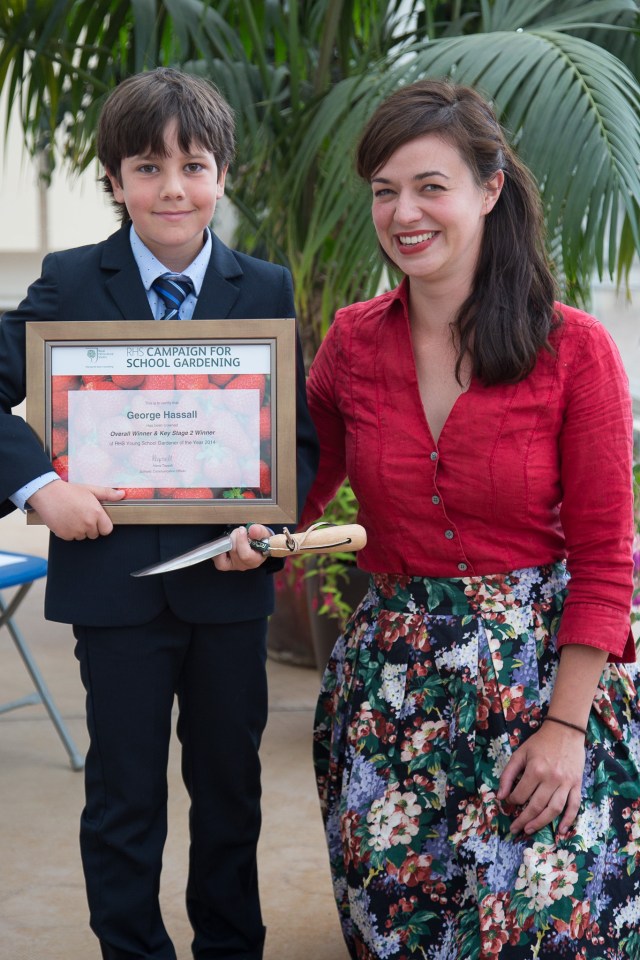
  • I’m absolutely delighted to go from ‘winner to judge’ in the RHS School Gardener of the Year competition. Joining me on the judging panel in May will be Gardeners’ World presenter, Frances Tophill and Matt Willer, founder of The Papillion Project.
  • Dragonflies have become a little obsession in our family and as The British Dragonfly Society Youth Ambassador, I’ll be looking forward to seeing their jewel like wings hovering over our pond this spring and summer. Hoping to see lots emerge from the pond too. I’ll also be helping support National Dragonfly Week 1st – 9th July.
  • I’ve continued helping the RSPB with their national campaigns from the wonderful stuff like Big Garden Birdwatch to the not so wonderful stuff, raising awareness of birdcrime and there’s a new campaign to be launched in April that I’ll be involved in; keep an eye on my socials for that.
  • I recorded a ‘Voices from the park’ podcast for South Pennines park; you can listen to the 5 minute recording here. It’s all about my ‘Passion for the Pennines’, which I’ve wrote about in a previous blog.
  • A while ago I took part in the UK Youth for Nature Silent Spring at 60 campaign, all about farming and gardening for biodiversity; you can watch it here
  • One of my next campaigns is working with In Our Nature MCR, right on my doorstep! Keep a check on my socials for updates.
  • I’ve also just been interviewed for the Natural History Museum’s Wild World magazine, I think that’s due out in June??

Paid work

I’ve worked for my local shop, Heyrod Food & Floral over a year now, and I already know that when I’m older, I’ll look back and think ‘that was the best job I ever had’!! I’m the chief potwash and brussels sprout prepper, it’s an important role 😉

I’ve just started my second year as a RocketGro brand ambassador; their peat-free products are top notch and we had really productive growing season with them last year. All dosh I earn through them is going in my Uni pot, so if you need some quality compost, please consider buying yours through them and see me on my way to Glasgow! Click on the link for 25% discount, using my code GEORGE25.

The future

I’m now in my second year of sixth form college and I’ve been accepted at my number one, Glasgow Uni for a degree in Environmental Geo Science. I’d visited the Uni back in Oct and was blown away with everything about the course and the Uni itself, so I need to get my head down and achieve good grades!!!

Meanwhile in our garden, over a few sessions, we’ve levelled off and prepared an area at the top of the garden ready to sow wildflower seeds. The mix is aimed at attracting bees & butterflies and contains a mix of perennial & annual wildflower seeds and native grass. It will look cracking if we pull it off! Over in the raised beds, we’ve got some crops on the ‘grow’, including leeks, swede & celeriac, some (completely battered by the wind) purple sprouting broccoli and garlic. Then we’ll need to start working on our other veg beds in preparation for sowing.

What’s your plans for the growing season? Are you trialing something different, learning a new skill or helping out at a community garden? I’d love to hear from you in the comments below.

Until then, laterz, taterz!

Posted in Cooking, Gardening, Nature, RHS Ambassador, RHS Campaign for School Gardening, Wildlife, Young Bloggers | Tagged , , , , , , , , , , , , , , , , , , , , , , , , , | 2 Comments